Vanishing Forests, Enduring Life: Frogs, Chameleons, and Life on the Edge of Madagascar
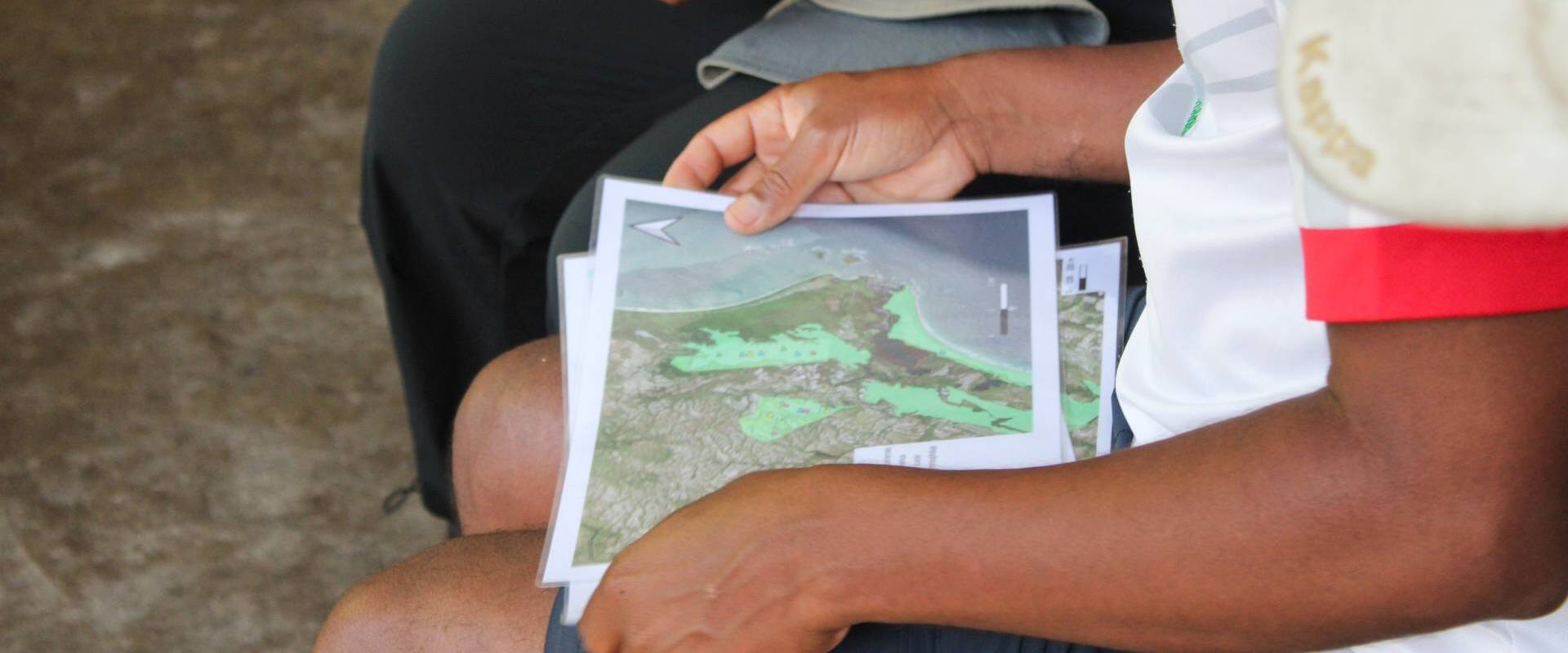
Imagine stepping into a rainforest so rare, it's clinging to the edge of existence. Tucked along Madagascar's southeastern coast lies Sainte Luce, a patchwork of sandy forest fragments and coastal wonder. It’s not the kind of place you'd find in a tourist brochure, but to scientists and conservationists, it's a living treasure trove brimming with scaly and slimy gems: frogs, lizards, snakes, and more.
On a recent expedition that felt more like a biological treasure hunt, international researchers built on SEED’s long-term monitoring efforts in Sainte Luce to explore and better understand this little-known region. Our goal? To take a roll call of every reptile and amphibian still surviving in these shrinking forest pockets before they vanish for good.
What we’ve found has added a new chapter to Madagascar’s extraordinary natural history.
A Vanishing Ecosystem on Madagascar’s Edge
Sainte Luce’s forests once stretched continuously along Madagascar’s coast. Today, these forests are broken up by human settlements, fields, and mining operations. Yet, the pockets of forests that remain are still full of life. Building on ecological studies from the past 30 years, the team has discovered a dazzling array of creatures, some of which may be completely new to science.
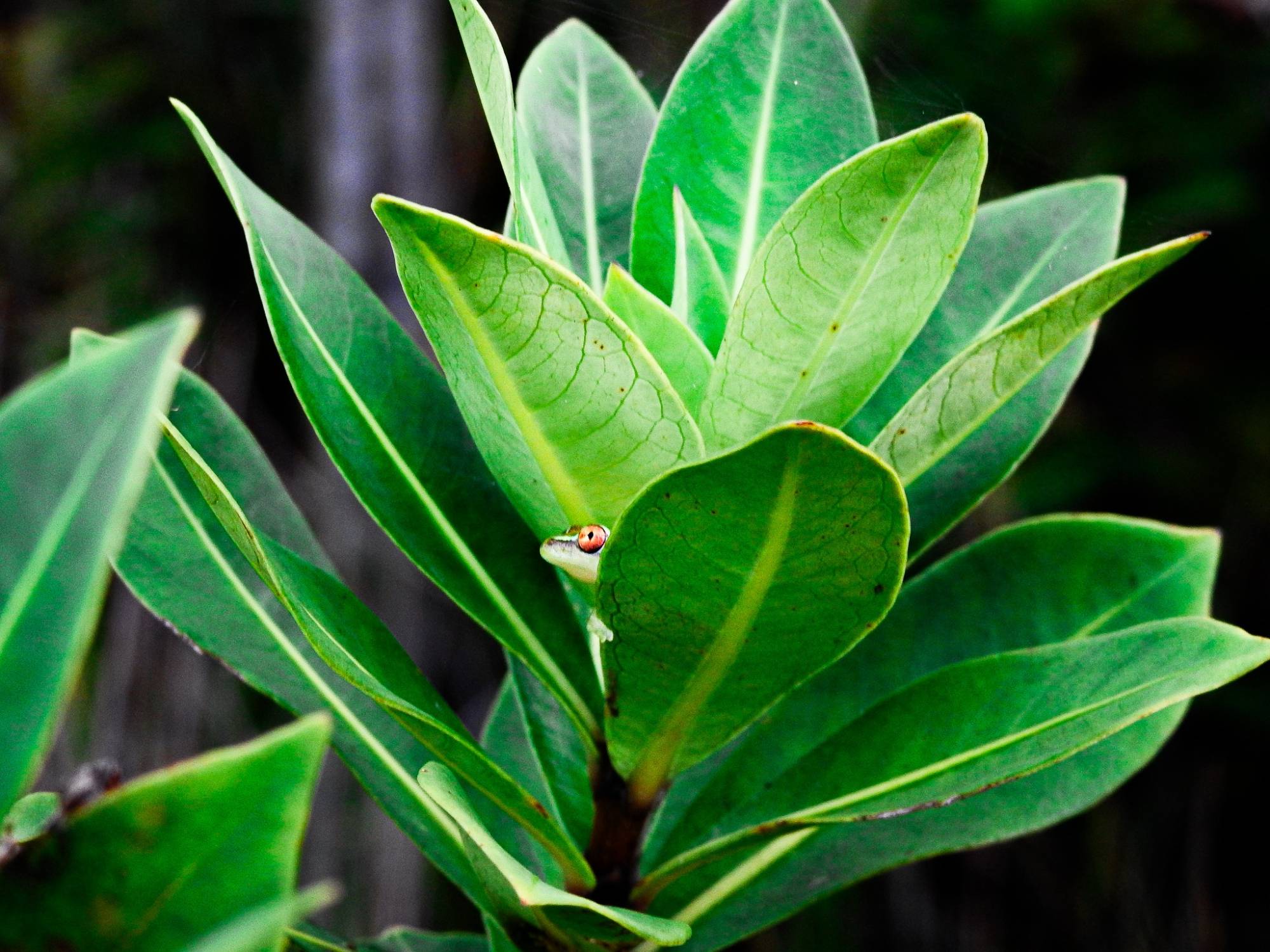
An impressive 76 different species, including 22 frogs and 54 reptiles, from chameleons no bigger than your thumb to elusive snakes with vibrant scales, have been documented. Thirteen of those species are candidates for brand-new, never-before-named species. It’s possible that more species could be discovered in the future as well.
Why Should You Care About a Frog in the Forest?
Due to Madagascar’s unique geographical isolation over millions of years, there is a significant number of plant and animal species that are endemic to this island, meaning these native species are found exclusively in this part of the world. Madagascar supports an estimated 5% of the world’s terrestrial species-level biodiversity; however, it only occupies 0.01% of the Earth’s surface. A portion of that biodiversity is incredibly localised, existing only in these pockets of Sainte Luce’s forest.
These creatures are extraordinary due to their significance evolutionarily and from a conservation perspective. The researchers used modern DNA tools to go beyond what the eye can see, proving that many animals thought to be familiar are actually genetically different, hiding in plain sight. This genetic analysis provides insight into how these species have different histories, quirks, and needs. As a global hotspot for biodiversity, it is important to increase our understanding of these species while we have the chance and protect them as much as possible.
A Race Against Time
While these species are dazzling and unique, their home is disappearing fast. Already, an estimated 90% of the original littoral forest cover has been lost. With ongoing mining activity threatening up to 80% of the remaining forest, and local communities depending heavily on natural resources, Sainte Luce’s ecosystems are in a very real race against extinction. As communities rely on these forests for their livelihoods, it adds a further layer of complexity to conservation efforts.
Of the 22 frog species identified, one is classified as Critically Endangered, three are Endangered, and one is Near Threatened. Seven haven’t been evaluated at all yet. Protection exists for some forest areas, but enforcement is limited. We hope these findings will shine a light on just how valuable these wildlife pockets are, not just for science, but for the future of Madagascar’s biodiversity.
What Can We Learn from a Lizard in a Leaf?
Biodiversity isn't just about collecting new creatures. It's about understanding the interconnected web of life and recognising that even the tiniest gecko might hold a clue to everything from medicine to climate resilience. Biodiversity reflects the health of the planet. Places like Sainte Luce, where unique species still thrive in isolated forest fragments, remind us of nature’s resilience and its fragility.
Sainte Luce is more than just a dot on the map; it’s a window into a deep biological legacy. It's frogs and lizards may be small, but they carry with them the weight of millions of years of evolution and the urgency of immediate conservation.
If we want to preserve life’s diversity, places like this must be seen not as forgotten edges of the world, but as vital frontiers for discovery and protection.
So next time you think about what’s worth protecting, remember Sainte Luce. Remember the frogs singing under the moonlight, the chameleons tiptoeing along sunlit branches, and the scientists racing to record it all before it fades into silence.
You can find out more about the study, A littoral treasure trove: A comprehensive assessment of the herpetofauna of Sainte Luce, southeastern Madagascar, available here: https://doi.org/10.1080/14772000.2025.2513472. For a full PDF version of the paper, please contact Sam Hyde Roberts on sam.roberts@seedmadagascar.
Interested in conservation? You can volunteer with SEED Madagascar through our Conservation Research Programme. Join us for first-hand experience carrying out fieldwork and research with our team studying species like the ones mentioned in this article, and more!
Want to Help?
Support SEED Madagascar or connect with us on Facebook, BlueSky, and Instagram where we provide live updates about what's happening in Madagascar with all of our projects.
Reference:
Hyde Roberts, S., Sannolo, M., Longosoa, H. T., Clark, R., Jhaveri, L., Rosa, G. M., Cocca, W., Andreone, F., & Crottini, A. (2025). A littoral treasure trove: A comprehensive assessment of the herpetofauna of Sainte Luce, southeastern Madagascar. Systematics and Biodiversity, 23(1), 2513472. https://doi.org/10.1080/14772000.2025.2513472