Beyond the Headlines: Understanding Madagascar’s Food Insecurity Crisis
Madagascar rarely finds itself gaining international media attention. Yet in recent weeks a wave of stories about lemur-meat consumption has appeared in several major international outlets, including The New York Times and BBC News’ Focus on Africa Podcast. The emphasis in these articles has felt strangely disconnected from daily reality here. In a country where millions face hunger and chronic malnutrition, a one-dimensional focus on lemur consumption among an urban, affluent demographic risks obscuring the far deeper issues driving pressure on wildlife and shaping daily life for the vast majority of the Malagasy population. As an organisation with a long-standing presence in Madagascar, advocating on behalf of communities and the environment here, we aim to highlight some of the wider issues we are seeing on the ground in this article.
Luxury Consumption vs. Subsistence Hunting
A recent study conducted by Dr Cortni Borgerson based on 2,600 interviews in 17 cities found that approximately 12,900 lemurs are sold annually as a luxury product. This study focused solely on the appetites of wealthier city residents — an exceptionally narrow demographic in Madagascar — with customers citing taste, social status and unproven medicinal benefits as driving factors. Yet, with over 90 percent of people in Madagascar living in poverty, rural hunting can arise for significantly different reasons, including poor adult health, child malnutrition and a lack of access to domestic protein. Of those interviewed in a separate study also carried out by Dr Borgerson, only a small minority of participants trapped lemurs. When this did occur it was subsistence-based and never for commercial purposes. It is important to highlight that factors including education, awareness of the law, cultural values, taste preferences, and conflict with wildlife did not influence trapping behaviour, which underpins a key distinction. Taken together, these points show that rural hunting and urban luxury consumption represent fundamentally different behaviours. While urban consumption is largely driven by status and preference, rural communities may hunt lemurs out of necessity.
Food Insecurity and Rural Pressures
In this wider context, approximately 1.31 million people in Madagascar face high levels of acute food insecurity, with chronic malnutrition affecting nearly 40% percent of children. This is particularly prevalent in rural communities, which are fighting against the consequences of successive years of weather shocks, increasing prices, and limited food stocks. This helps explain why subsistence hunting is, for some, a response to a livelihood and food insecurity crisis rather than a symbol of luxury or status. In contexts of extreme hunger, subsistence hunting is often a last resort. Nutrition, livelihoods, and health are inextricably linked and directly shape people’s relationship with forests and wildlife. Recent cuts in international aid have only exacerbated these pressures, illustrating how global decisions directly worsen local food insecurity and heighten pressure on already vulnerable communities and ecosystems.
Integrated Solutions
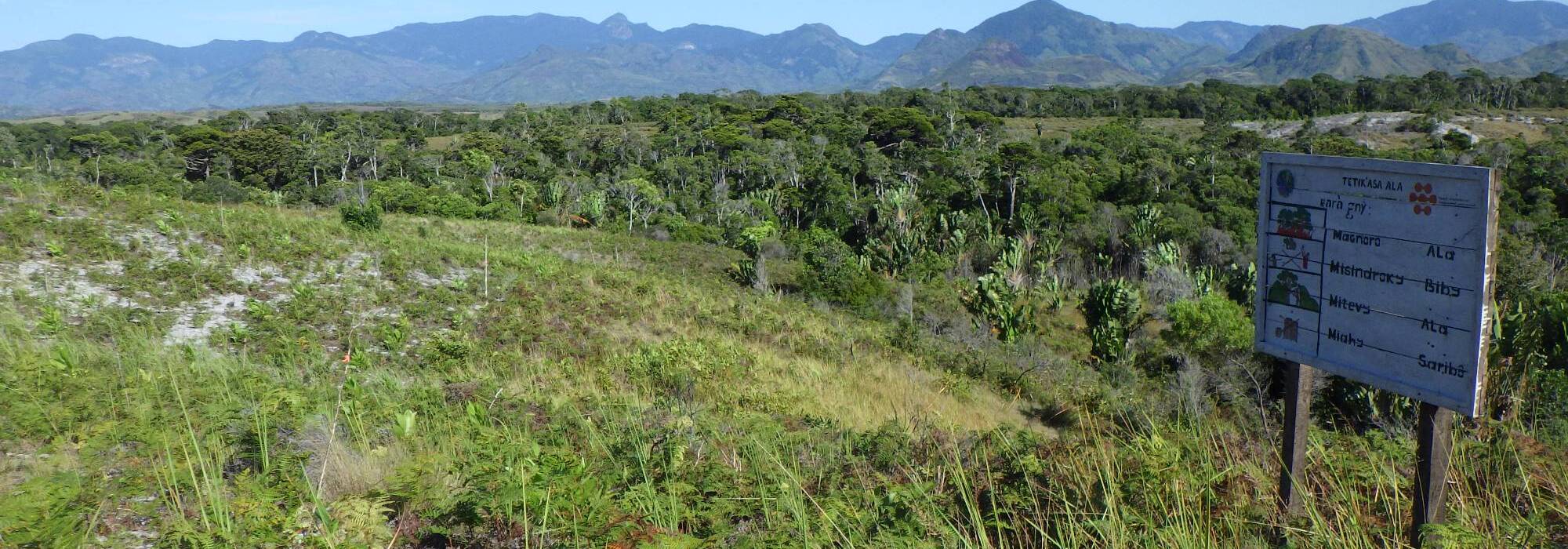
Urban luxury meat consumption is one of many threats to lemurs. Habitat loss, deforestation, and climate pressures are all significant drivers of a reduction in lemur numbers. Conservation solutions must link environmental restoration with economic opportunity and food security. SEED’s Ala Programme combines forest restoration and lemur habitat protection, with community partnerships and livelihood development in the hope of strengthening both biodiversity and community well-being. This integrated approach reflects the reality that conservation cannot succeed without addressing the pressures communities face.
A Fuller Narrative for Effective Conservation
The urban rich consuming lemurs is real and harmful — and must be addressed, but this represents one very specific behaviour among a small elite, and is not representative of Madagascar as a whole. Most Malagasy people do not eat lemurs; and of those who do, many are struggling with hunger, not choosing luxury bushmeat. Protecting lemurs effectively requires engagement with deeper issues: extreme poverty, food insecurity, health access, habitat loss, and the ongoing impact of global aid cuts. Focusing on lemur consumption alone misses the bigger story, offering only a partial view of the challenges Madagascar faces. It is our hope that this fuller narrative can help to build international understanding and support for solutions that benefit both communities and conservation. Ultimately, lemur conservation cannot be separated from the intersecting pressures of hunger, livelihoods, health, and the economic pressures communities face every day.