Fighting Child Malnutrition in Madagascar: Local Solutions Making a Lasting Difference
Rising Global Child Mortality
In light of the Gates Foundation report highlighting rising global child mortality rates, we take a closer look at a new community-led approach being trialled by the SEED team in Madagascar to tackle malnutrition.
After decades of global progress, the number of children dying before they reach their 5th birthday is projected to rise for the first time, and Madagascar is not escaping this trend.
Cuts in global health funding, overstretched health systems, and reduced support for essential services such as nutrition and immunisation are driving this increase. In 2025, an estimated 4.8 million children under five were expected to die worldwide — around 200,000 more deaths than in 2024, many of them preventable.
Child Malnutrition and Food insecurity in Madagascar
A graphic in a the Wall Street Journal article highlights that Madagascar is projected to see the largest increase in under-five child deaths between 2024 and 2025. Families across the country are struggling with repeated droughts, cyclones, locust infestations, and food shortages, all of which threaten children’s health and livelihoods.
In Madagascar, more than 1.2 million people are food insecure, and over half a million children are suffering acute malnutrition, a 56% increase from 2024, according to UNOCHA. This includes more than 155,000 children suffering from severe acute malnutrition, an 87% increase from previous forecasts.
The southern regions, including SEED’s focus area in Anosy, are among the hardest hit by the food insecurity crisis. Communities here face extreme challenges in accessing food, healthcare, and clean water, particularly in remote areas. This situation underscores the rising needs for effective, locally-led interventions to prevent child malnutrition and improve child health.
SEED’s Approach
At SEED, we respond to worsening child malnutrition by working alongside communities to strengthen solutions that already exist within them and can be sustained over time, through the Positive Deviance (PD) approach. This behavioural and social change approach recognises that, even in the most difficult conditions, some families find ways to keep their children healthy using the same limited resources as everyone else.
Through this approach, mothers of children with moderate acute malnutrition learn directly from ‘model mothers’, caregivers from the community whose children are thriving despite similar challenges. In learning sessions, these mothers share practical, locally grounded
practices such as preparing diverse and colourful meals from available foods, treating drinking water, consistent handwashing, and preventing common childhood illnesses.
The aim of these learning sessions is not only to support children to recover from malnutrition, but also to equip families with the knowledge and confidence to maintain healthy behaviours long-term, protecting children’s health even after the programme ends.
Our impact
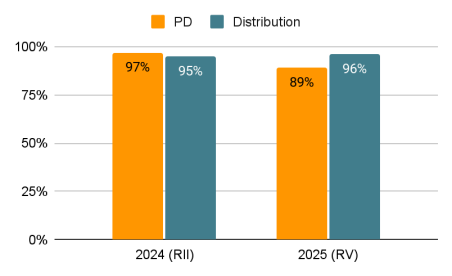
Mothers who joined the programme participated in short but intensive learning cycles, with long-lasting impact. In 2024, changes in everyday practices by mothers led to 97% of children recovering from moderate acute malnutrition, comparable to the 95% recovery rate achieved with specialised food supplements. One year later, recovery rates remained high, with 89% of children in the Positive Deviance programme and 96% of children receiving nutritional supplement distribution recovering, showing both immediate impact and long-term benefits.
In numbers this means…
- Clean water is now the norm. Nearly all families now treat their drinking water, with 96% of mothers reporting doing water treatment —up from just 10% at the start of the program. What was once rare is now routine.
- Handwashing has become a habit. 85% of caregivers are now washing their hands before feeding a child, up from just 13%.
- The use of mosquito nets has also increased, rising by 14% at night and by 27 % for both day & night use, helping to reduce exposure to malaria.
Sustainable long-term solutions
Mothers also report fewer illnesses, greater confidence, and a willingness to share new practices with neighbours, creating a ripple effect that strengthens community resilience and helps prevent malnutrition from returning. As one mother explained:
Since learning with the PD group, my child has been healthy and showing positive changes, no diarrhoea, no fever.
By centreing community knowledge, peer learning, and local solutions, SEED not only supports immediate recovery from malnutrition but also fosters sustainable, community-led practices that build long-term resilience against future shocks.