One Tree at a Time: Restoring Sainte Luce’s Forests and Wildlife
Planting a single tree in southeastern Madagascar is a small miracle. It takes months of preparation, coordination, and care, long before a seedling ever reaches the ground.
In January, SEED planted nearly 7,400 native tree seedlings in Sainte Luce, the highest number in its history, helping to reconnect critical habitat for the area’s endangered lemurs. Behind each of these seedlings is much effort: nursery care, restoration planning, research, coordination with community members, and hard labour in difficult conditions.
Why the Sainte Luce Littoral Forest Matters
This work goes far beyond tree planting. It is about protecting a forest that sustains both biodiversity and local communities. As Fabrice Fomenjanahary, Ala Project Manager, explains, “protecting the forest in Sainte Luce plays a key role in clean air and the sustainability of the natural environment, and it is directly connected to the lives of the local communities.”
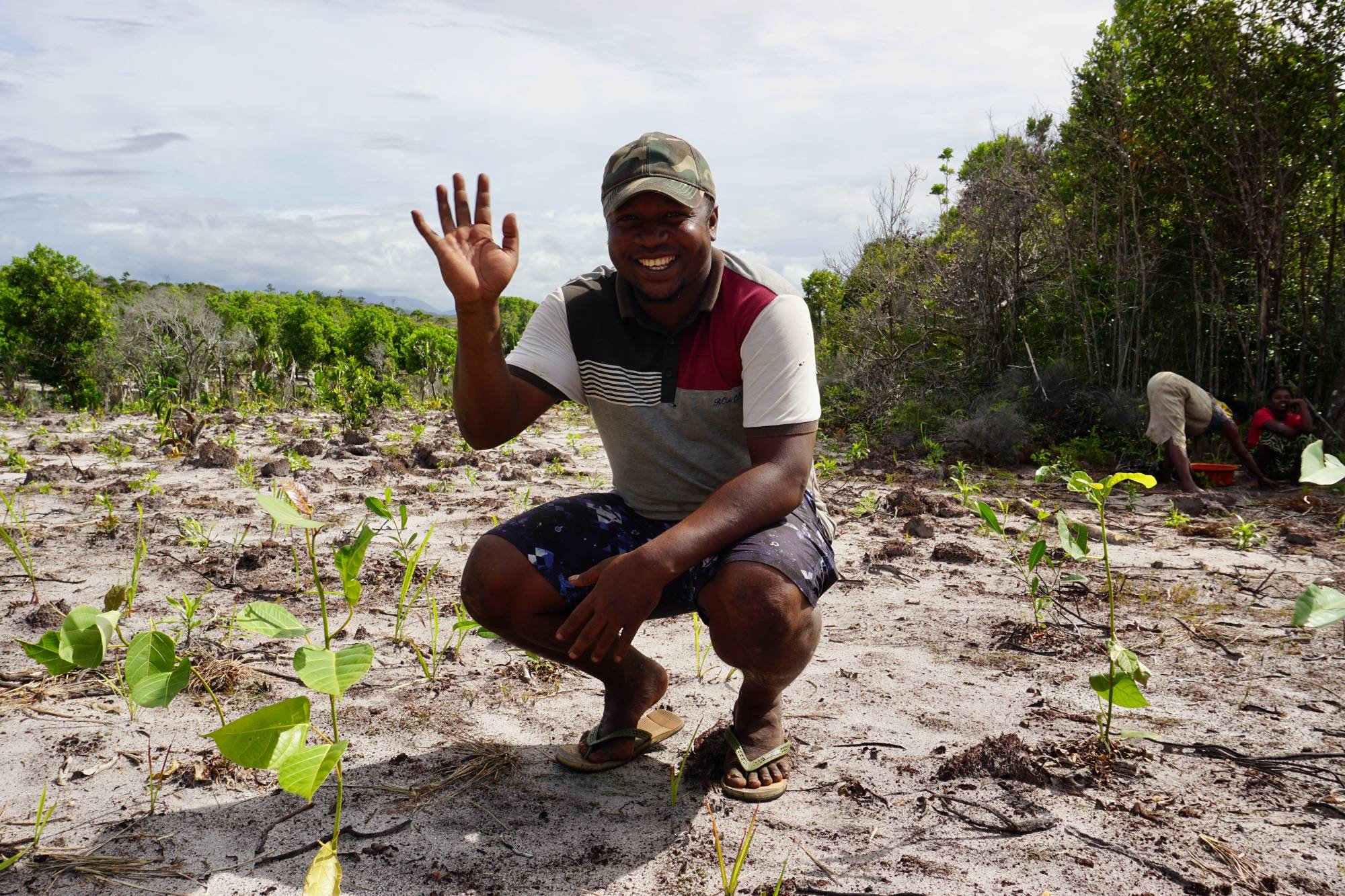
For the people of Sainte Luce, the Littoral Forest provides food, water, materials, and opportunities for sustainable income through activities like nursery work, seedling transport, and corridor maintenance. At the same time, it supports lemurs, amphibians, reptiles, and a rich variety of plants found nowhere else on the planet, species that could disappear without urgent action.
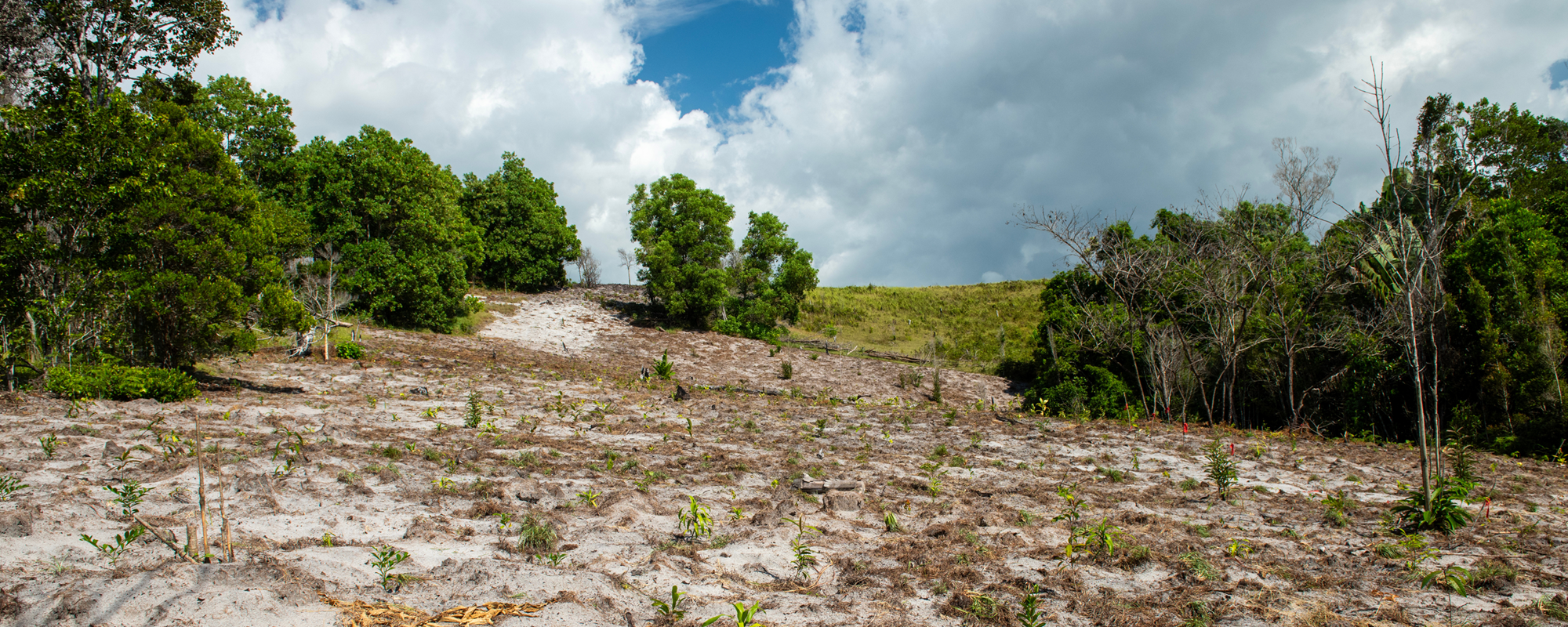
Walking through its paths, overhanging with thick foliage, it is easy to see why the forest matters. The 1,200 hectares of littoral forest in Sainte Luce are one of the last remnants of a continuous forest that once stretched for hundreds of kilometres up Madagascar’s eastern coastline. This forest is home to rare beauty and unique biodiversity, but is fragmented, threatened by climate change and human pressures, and surrounded by deforested, nutrient-poor land. Yet it remains shockingly green and teeming with life.
Protecting this forest is a shared responsibility, one that safeguards both local communities and the unique wildlife that depend on it.
Our Ala Programme’s Mission
The Ala Programme seeks to restore the most fragmented area in Sainte Luce Littoral Forest, Segment 8 (S8), and improve habitat for the species marooned there. It is a community-based reforestation project that connects habitats by planting forest corridors—stretches of forest that act like biological highways, allowing animals to travel freely between areas that were once separated.
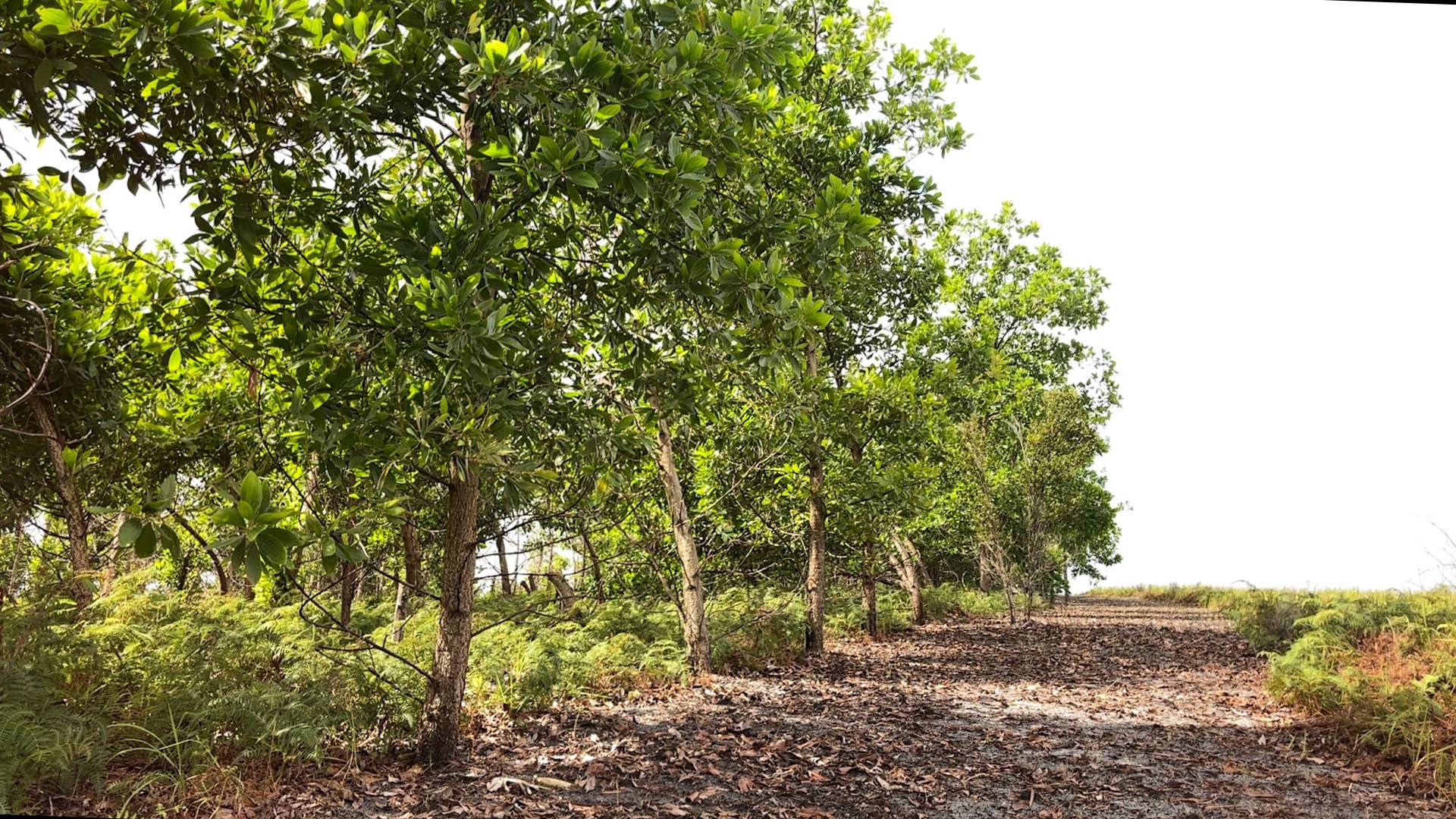
January was SEED’s most successful month of tree planting ever, surpassing previous yearly planting totals in just one month. By the end of April, SEED hopes to plant 13,000 seedlings more.
This success comes after a particularly tough year for the Ala Programme, which faced a devastating fire and a tropical storm in early 2025. In response, SEED doubled down on fire prevention by expanding firebreaks and collaborating with fire agencies, grew its nursery, collected more trees, purchased new land to expand restoration corridors, and improved partnerships with local forest management organisations.
Preparing for the field
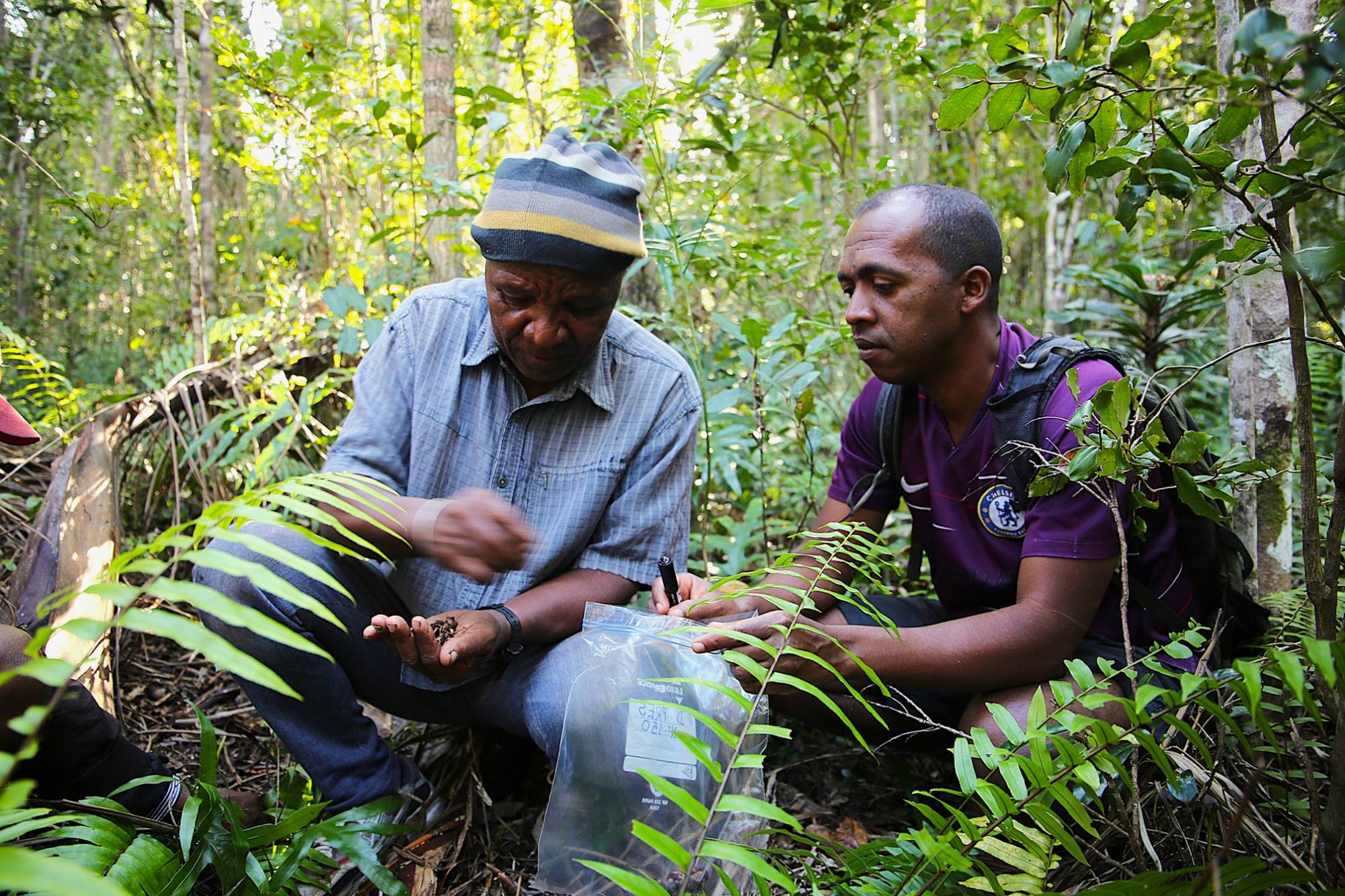
The seedlings planted in January were collected from the forest floor nine months earlier by Sosony, the Ala Programme’s seedling collector. He carried them in a backpack through dense forests and swamps to the Ala Nursery, where the Ala’s Nursery Team carefully replanted them in pots and placed them in the shade of a nursery bed.
For months, the Ala team and SEED staff watered the seedlings, pulled weeds, and checked on them every day. In August, when the nursery ran dry with the onset of the dry season, community members carried water by hand from a nearby river each day. In November, the shade cloth was removed, and the seedlings were exposed to full sunlight for the first time. By January, months of daily care by our team had prepared them to survive harsh field conditions.
Planting day
Each planting day is a carefully coordinated effort involving dozens of community members, reforestation staff, and local partners. January in Sainte Luce brings three types of weather: blistering heat, pouring rain, and the fleeting overcast that precedes it.
Planting starts at 5 a.m. to avoid working in the heat of the day. Women elegantly balance mahampy bags filled with seedlings on their heads while men use wooden sticks to carry baskets for the 3-kilometre walk from Sainte Luce to the planting areas. The early morning air is filled with laughter and the sweet smell of homegrown tobacco.
In the field, each seedling is carefully peeled from its pot, fertilised with a heaping handful of manure, and mulched with nearby grasses. A planting day involves hiking through muddy swamps, working unfazed by heavy rains, and facing the scorching sun, but families and friends joke and talk as they plant; some prefer to sing. If everything goes well, the plantings will be over before noon, but as someone who has spent many mornings here, I have always left S8 tired.
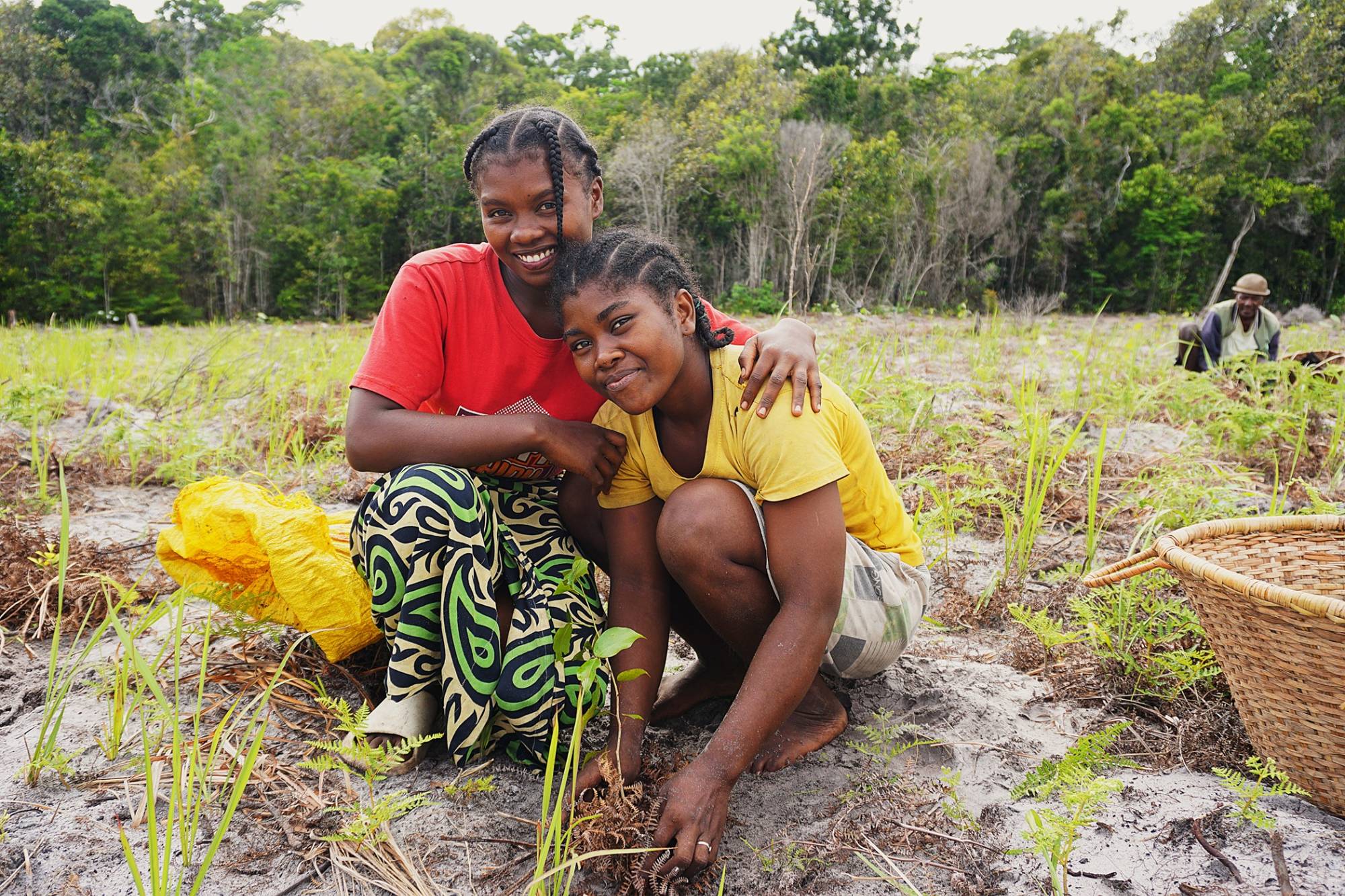
Each time I visit S8, time has a tendency to contract and expand before me. When digging holes or peeling young seedlings from their pots, it can be hard to think much further than the next water break or lunch back at camp. But, in quiet moments walking through S8, I imagine the verdant rainforest that once existed across stretches of dry savannah, and I picture the forest that may one day exist again as these small plants, shading the hot sun.
One tree at a time
Reforesting landscapes requires daily hard work and coordination, but the success of the decades-long Programme depends just as much on creating a shared vision for the future. The Ala Programme works alongside the Sainte Luce community to envision and implement restoration solutions that safeguard endangered lemurs and ensure the sustainable management of forest resources. Through conversations with community members and effective advocacy, SEED ensures that the value of these flourishing forests is understood and preserved. This happens one tree at a time.
Project Ala is gratefully supported by the Australian Government, the Nando and Elsa Peretti Foundation, and by Re:wild.