Madagascar’s Tiny Helpers – How Beekeeping is Helping Farmers and Nature Thrive
If you’re familiar with Madagascar, you probably know that it has some of the most unique endemic wildlife and plant species on earth. From lemurs, to baobabs, and the carnivorous fossa, 80% of the fauna and flora here can be found nowhere else in the world.
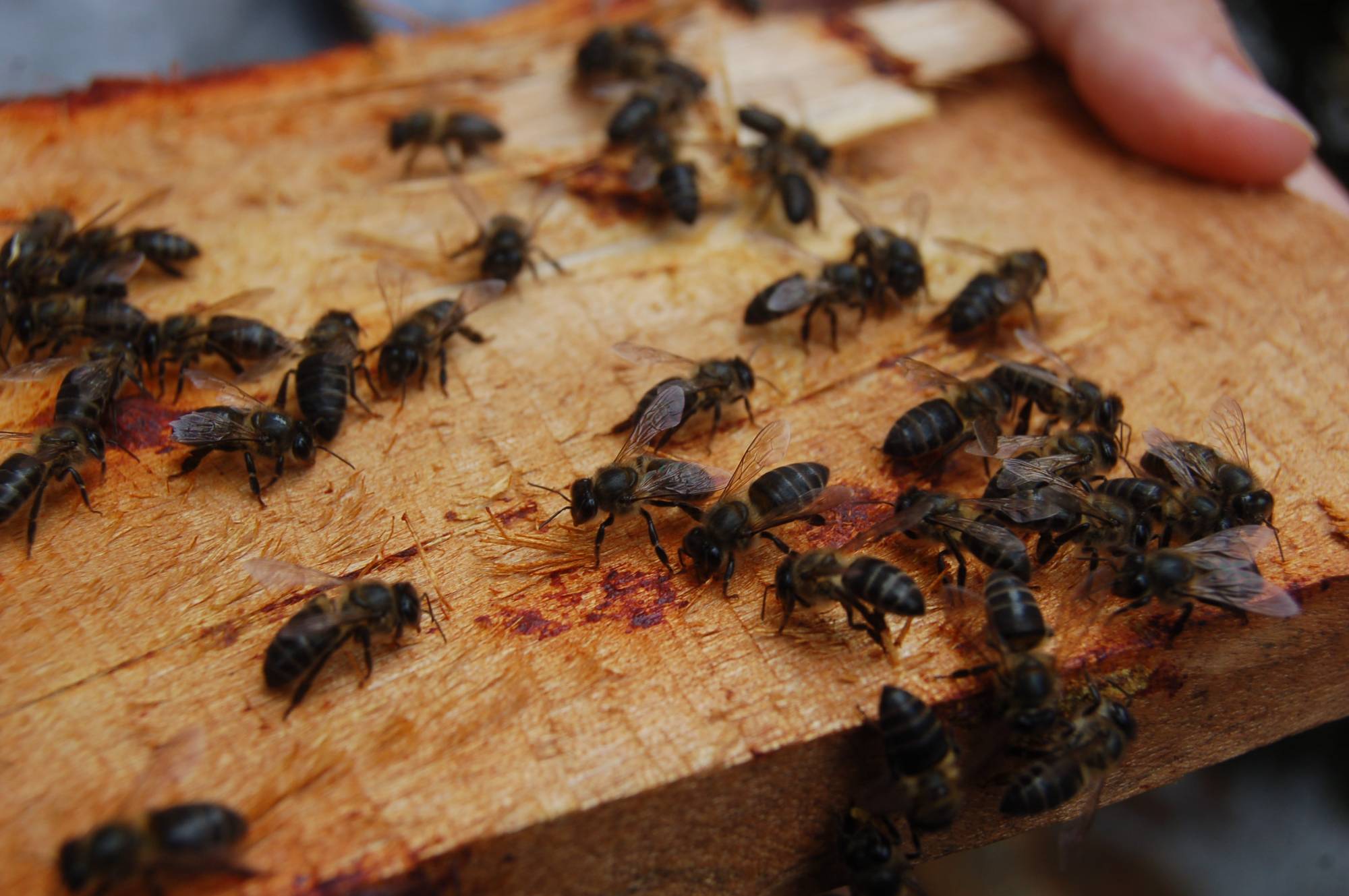
In the foothills of Madagascar’s southeastern Anosy mountains, farmers are now working alongside one of the countries’ lesser-known endemic species: the Apis Mellifera Unicolour, or also known as the Madagascar Honeybee. Though small, this native bee plays a vital role in maintaining the health of local ecosystems.
Why bees matter for people and nature
A majority of Madagascar’s wild plant life, and a large portion of local food and export crops such as lychee, relies on bees for pollination. Without bees, most of these plants would be unable to reproduce and maintain their genetic diversity.
But bee populations are under growing pressure. High rates of deforestation are threatening bee habitat and biodiversity across Madagascar, particularly in the Anosy region, where 15% of the primary forest has been destroyed since 2002. Shrinking forests means less bee habitat, and fewer bees mean that the limited remaining fragments of forest are becoming progressively less biodiverse.
The practice of tavy, or slash-and-burn agriculture, is one of the main drivers of deforestation in Madagascar. For many rural families, clearing forest land is one of the only ways to create space to grow food.
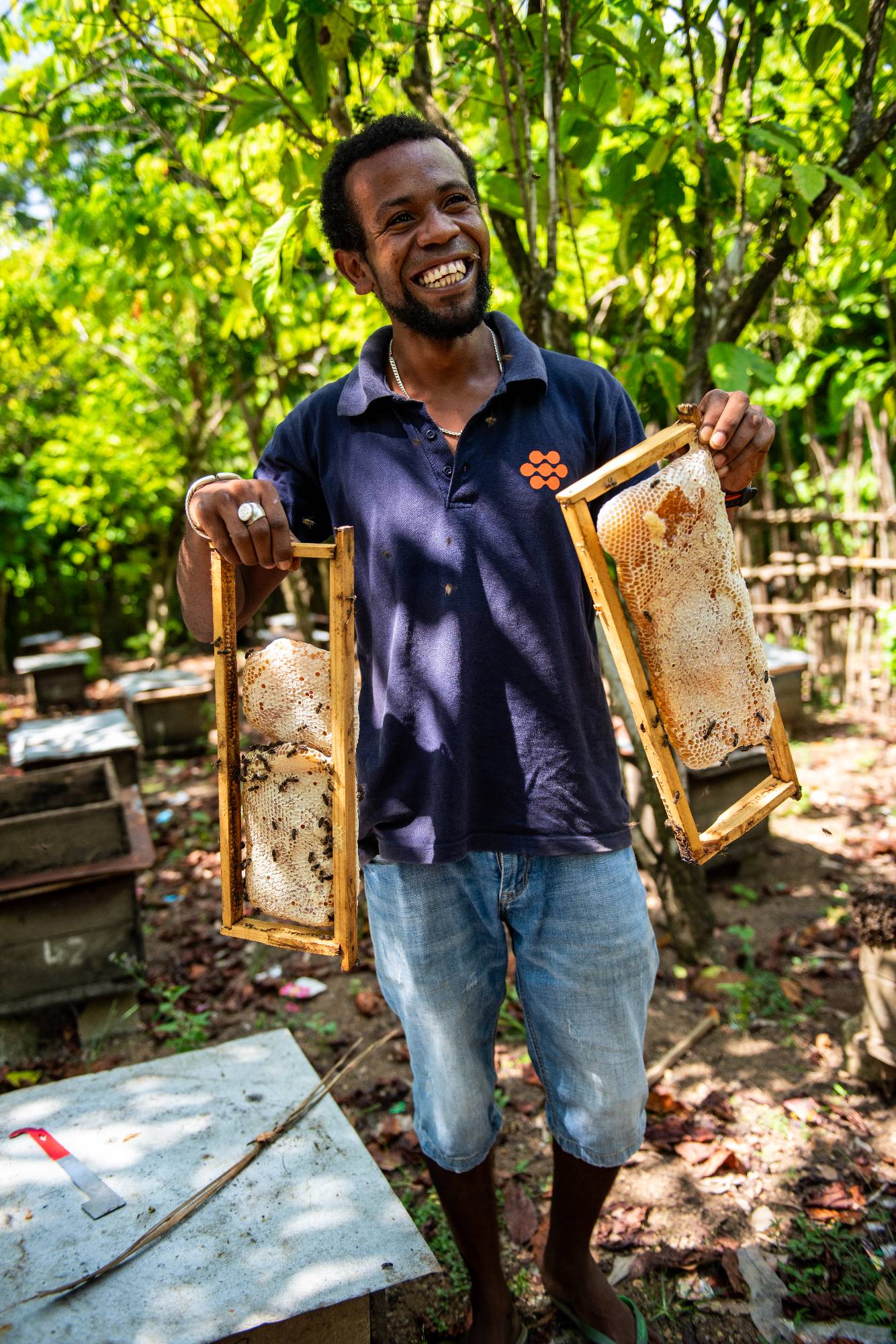
began his journey at SEED as a beekeeping technician for Project
Renitantely
This isn’t a choice made lightly. In a country where around 80% of people live on less than $2.15(£1.85) a day, farming is often the only way to survive. In the Anosy region, nearly half of all households rely on agriculture to meet their daily needs.
With few alternative sources of income, communities are often pushed toward other practices that put pressure on the environment, such as cutting trees to produce charcoal for cooking and sale.
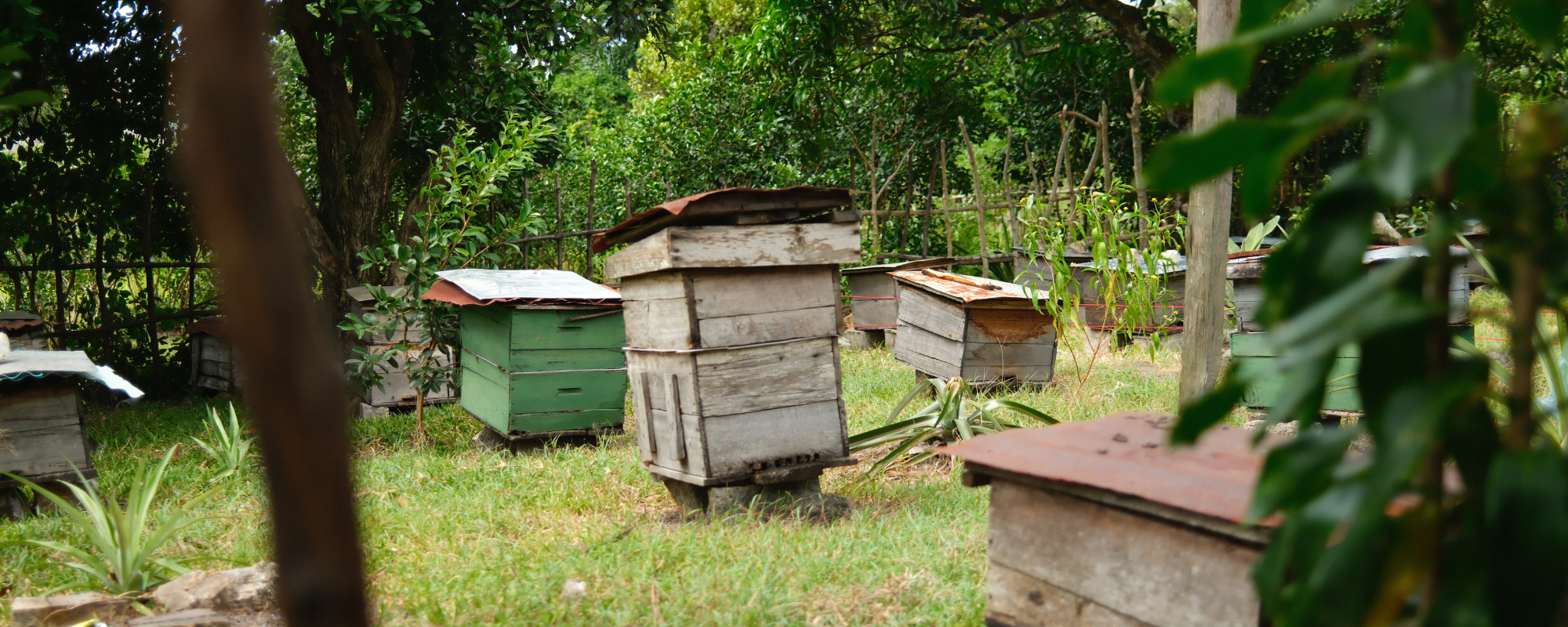
Some farmers in Anosy however, have found an environmentally-beneficial alternative to earning supplementary income: Beekeeping.
Supporting rural beekeepers through Project Renitantely
For many families, starting beekeeping is out of reach. Initial costs, around 500,000 Malagasy Ariary (£90) for an apiary and core equipment, are largely inaccessible for many rural farmers who make on average less than £1.85 per day.
Since 2016, SEED has been working with rural beekeepers across Anosy through the delivery of Project Renitantely (“Honeybee” in Malagasy) to make beekeeping a viable and sustainable source of income.
The project currently supports 48 beekeepers across 6 communities, providing:
- Modern beekeeping equipment and materials for hive construction;
- Training in beekeeping techniques and hive management to increase honey yields
- Training in financial and business skills to support income generation;
- Environmental sustainability activities, such as bee-forage replenishment and advocacy to communities on the importance of bees to the local ecosystem.
Project participants now maintain more than 500 bee colonies, or up to 31 million bees pollinating surrounding forests and crops while producing honey for consumption and sale.
Building resilience in a changing climate
2025 was a year marked by a series of extreme weather events, which had a significant impact on rural communities across Anosy. Widespread wildfires burned large areas of land in January 2025, following the driest October on record in 2024. At the height of the fires, up to 160 outbreaks were reported at any one time.
Just months later, Tropical Storm Jude struck Anosy, bringing strong winds and heavy rain that caused further damage. These events were compounded by a locust plague that led to pesticide spraying in affected areas, including in Project communities, that were harmful for bees.
The impact on beekeepers was significant. More than 150 colonies were lost as a result and many remaining hives weakened due to reduced availability of pollen and nectar as forests were damaged.
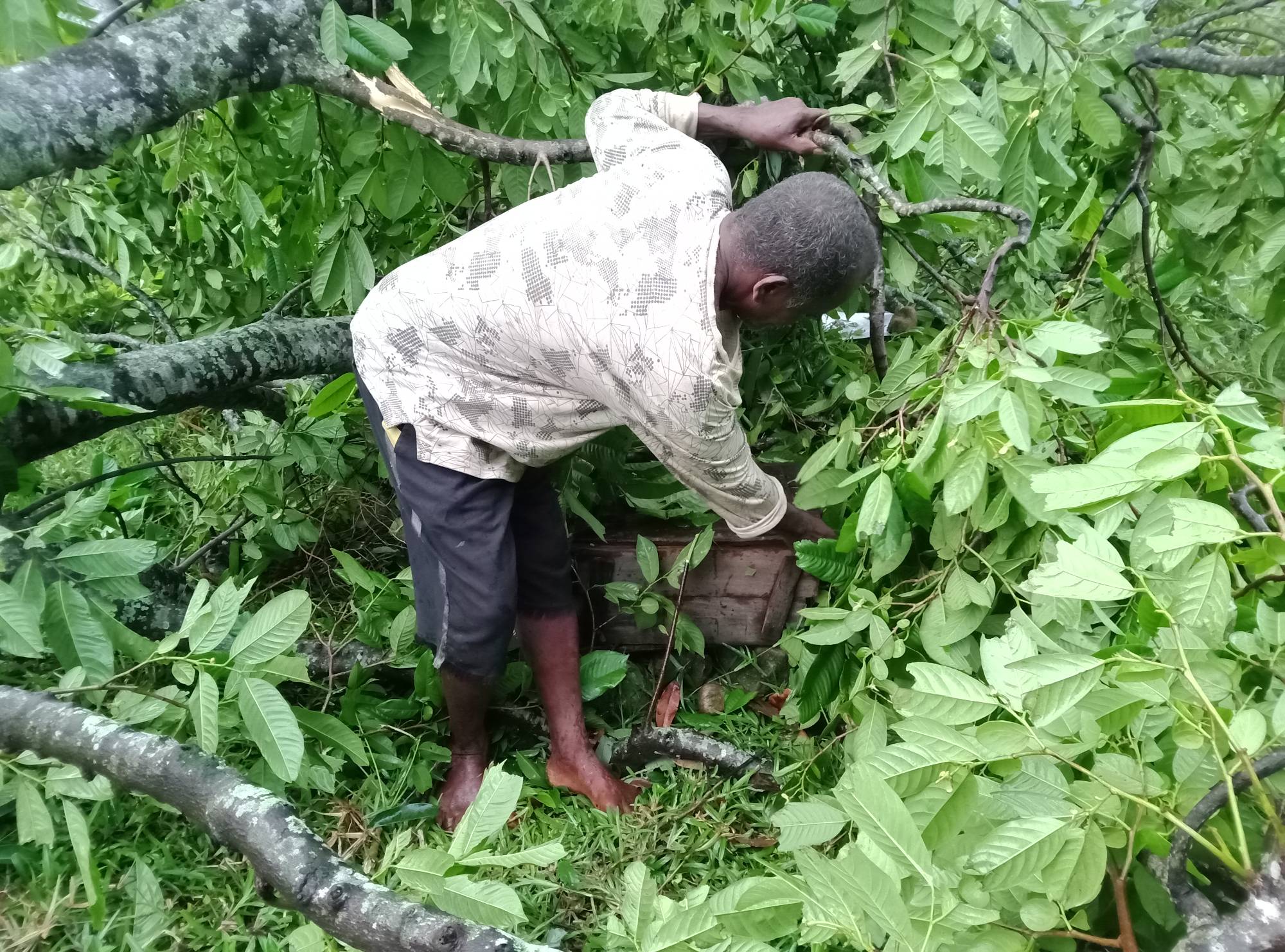
In response, SEED adapted its approach, shifting the focus of Project Renitantely from expansion, which would only increase the number bees in a now forage-scarce environment, to strengthening resilience.
Efforts included stabilising existing hives, restoring forage sources, and supporting beekeepers to strengthen the health of their hives.
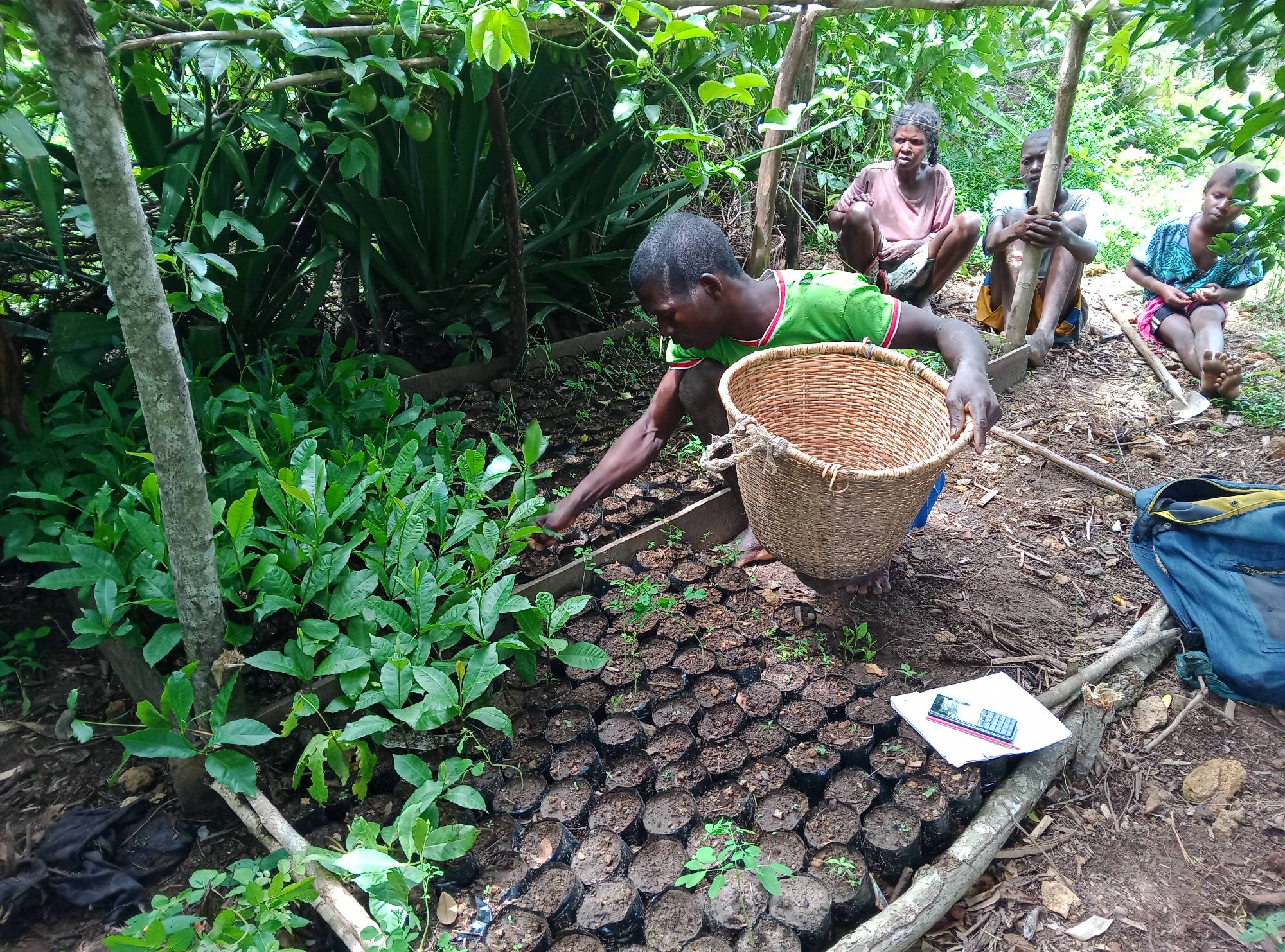
SEED supported participants by building tree nurseries at their homes and distributing more than 32,000 seeds, which have now been planted. The hives are significantly healthier and more productive than the previous year, with each hive producing almost twice as much honey.
While favourable flowering conditions played a major role, the positive trend in healthy hives shows that SEED’s intervention has enabled colonies to recover, and thrive among favourable forage conditions. Where many beekeepers might have been forced to abandon beekeeping, Project Renitantely beekeepers are now back on their feet and in a stronger position both financially and technically to continue beekeeping and invest in their hives and land.
Through Project Renitantely, SEED is strengthening both community resilience to climate shocks, but also the health of local ecosystems. Participating beekeepers maintain over 500 bee colonies, or approximately 31 million bees. These bees pollinate millions of nearby flowers, trees, and crops everyday, strengthening the ecosystems’ ability to regenerate in the face of climate adversity.
Project Renitantely is gratefully supported by The Nando and Elsa Perretti Foundation, The Evan Cornish Foundation and private individuals.