Mapping a Future Together: How the Fishing Community of Esohihy is Shaping Its Future
What can a handful of beans, some coloured paper, and a map of a village tell us about the future of a community?
In Esohihy, a fishing village in the Taolagnaro district of Anosy, these simple tools helped community members share their knowledge, experiences, and priorities for the future.
In July 2026, the SEED team travelled to Esohihy to spend three days working alongside 20 community members as part of Project Masoandro.
Rather than arriving with a long list of questions or a set of answers, the team worked alongside community members to explore their needs and priorities. Together, our team and the community mapped their village, explored how life changes throughout the year, discussed challenges, and identified key priorities for the future.
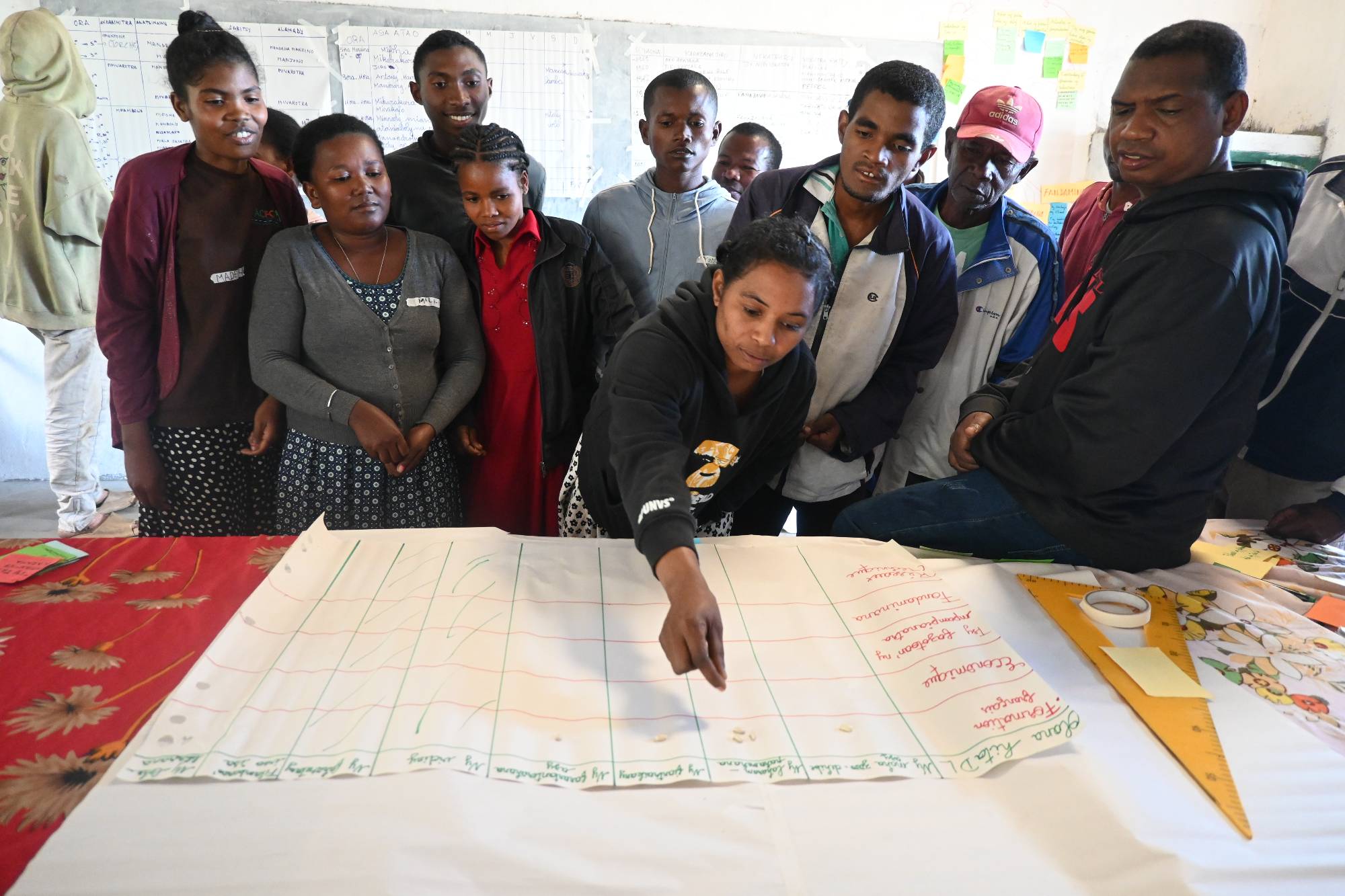
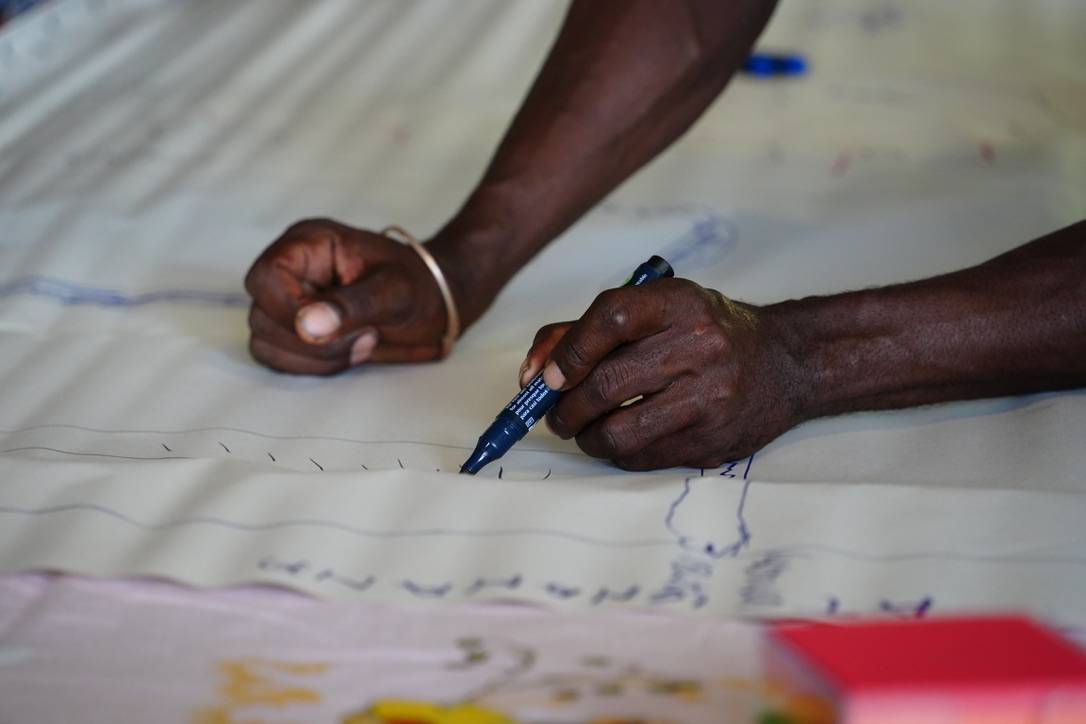
There were maps, calendars, flipcharts, coloured paper, and plenty of beans, which participants used to rank the challenges they identified and discuss how to address those.
This was Participatory Rural Appraisal, or PRA, an approach that supports communities to share their knowledge and experiences as part of understanding and evaluating development projects.
Starting with listening
As part of Solar United Madagascar, Project Masoandro works to tackle energy poverty and improve educational opportunities in rural southeastern Madagascar by providing clean, safe, and affordable energy to remote communities, alongside support for teachers and educational resources for schools in Anosy.
As the project expands, it is also important to understand what is happening in communities that are already part of Masoandro, and how people experience these changes in their everyday lives.
What is changing? What challenges remain? And what do people themselves want to see happen next?
Farmers, fishermen, merchants, teachers, FEFFI members, two village chiefs, a Toteny (Malagasy term to indicate a respected community elder) and Jiro-ve’s franchisee came together to share their perspectives.
SEED facilitated the activities, helping guide the discussions and exercises.
As Theodore Rakotonirina, Head of Schools and Solar, explained:
We’re here to listen. This is their plan, they’re the ones who’ll make it happen
Participatory Rural Appraisal developed from participatory research approaches in the late 1980s, particularly through the work of Robert Chambers. Its tools include community mapping, seasonal and daily calendars, ranking exercises, Venn diagrams and community action plans (Chambers, 1994a).
At SEED, we adopt this approach to engage with communities and ensure their voices are heard in the way we plan, develop, implement, and evaluate our programmes.
Seeing the village through local eyes
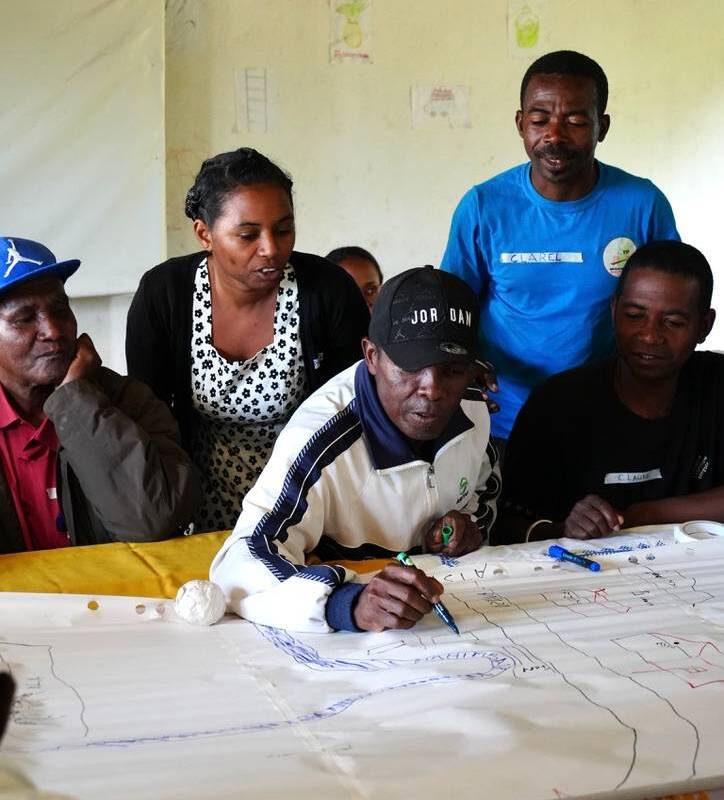
One of the first activities we did in Esohihy was community mapping.
Working together, participants identified important infrastructure, services, and resources across Esohihy, building a shared picture of the village.
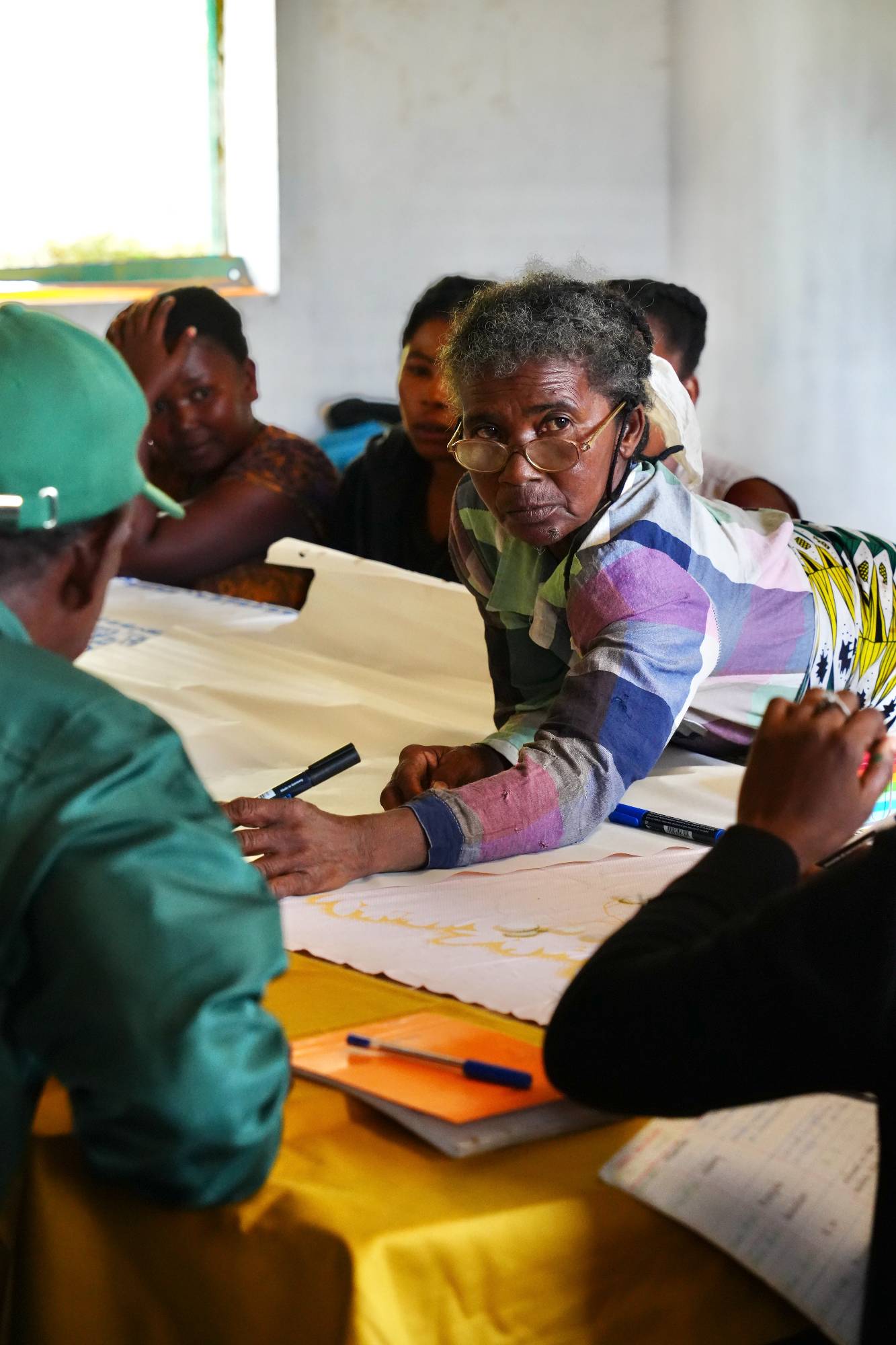
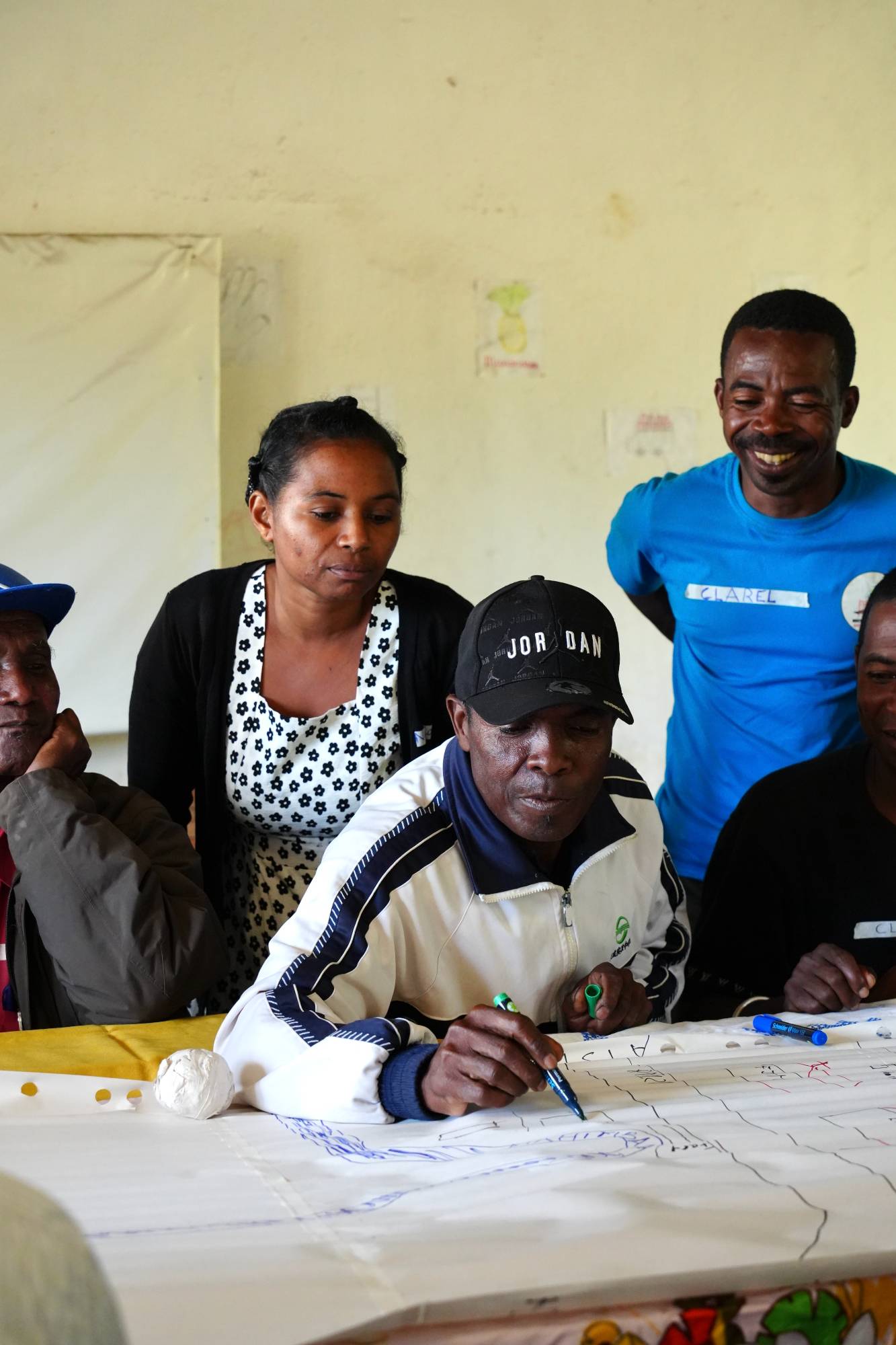
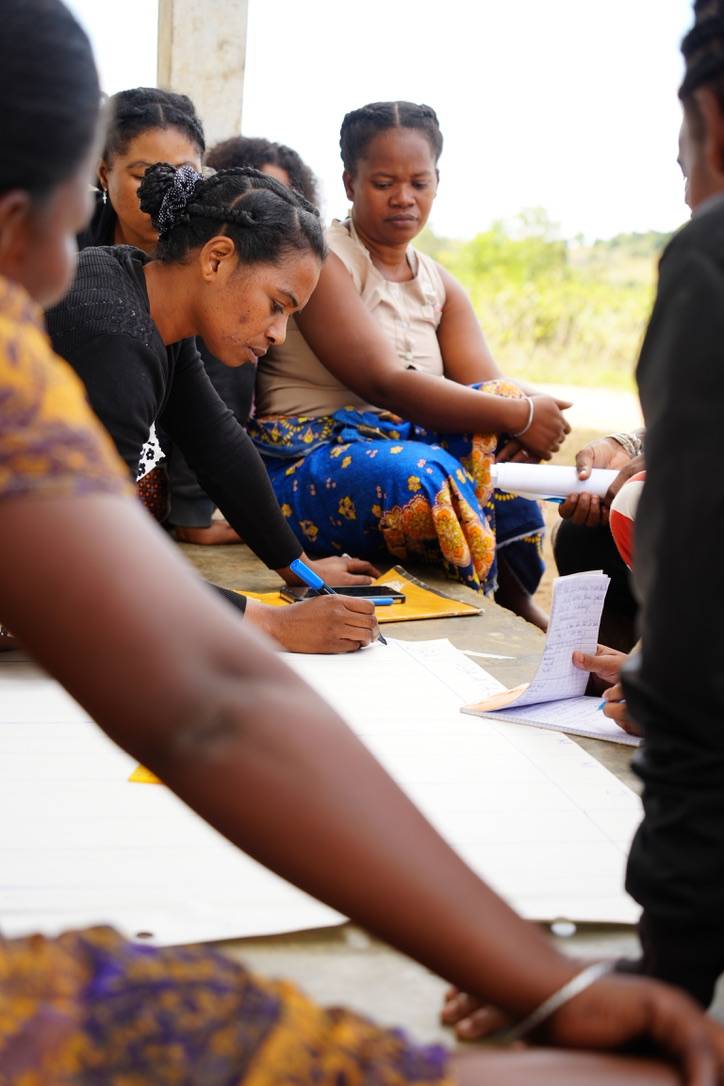
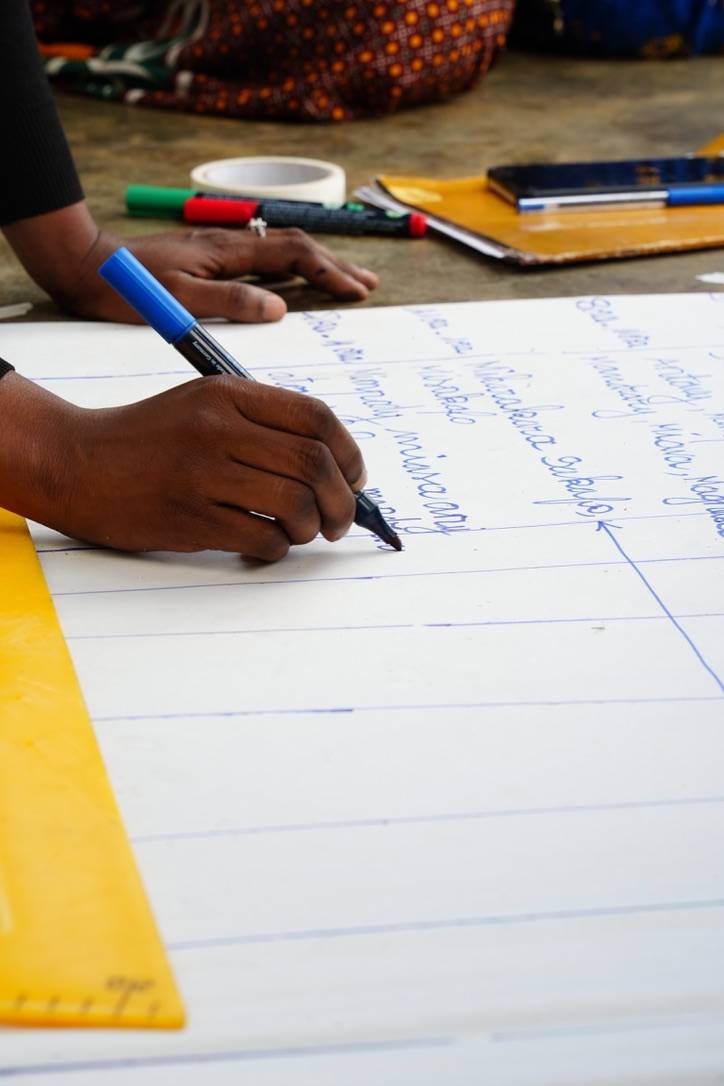
Daily and seasonal calendars added another layer. Participants mapped out how everyday life changes throughout the year, including how seasonal changes affect farming and other livelihoods. These conversations highlighted connections between household incomes, school costs, and the ability of parents to contribute towards teachers’ salaries.
Bringing these experiences together showed how different parts of everyday life in Esohihy are connected, and how changes in one area can affect another.
What matters most to Esohihy?
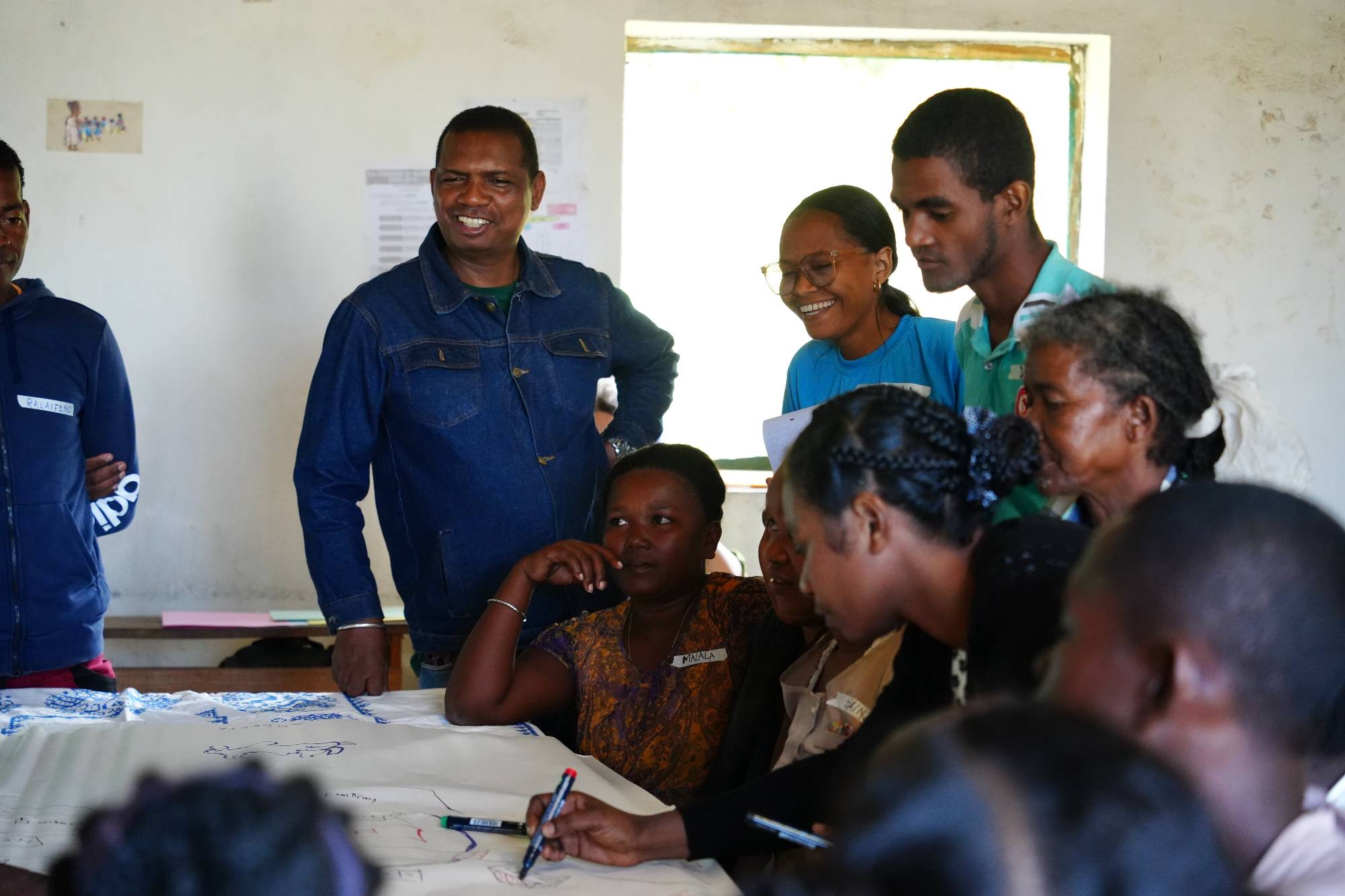
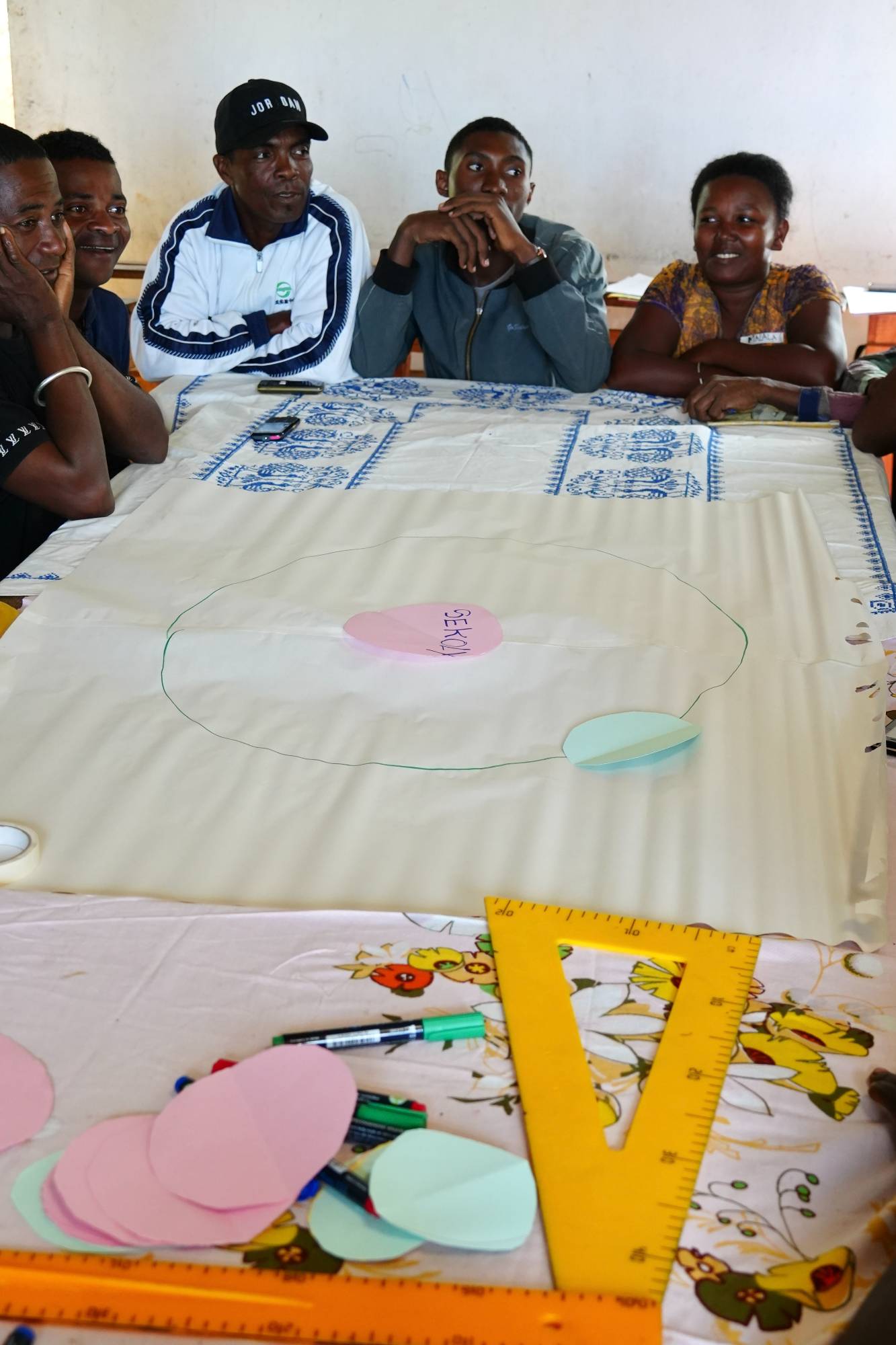
Another activity the community did was using a Venn diagram to explore the relationships between different people, organisations, and institutions in the area.
At the centre of the diagram, community members placed “Sekoly”, meaning school in Malagasy, reflecting the importance of education within the group.
The discussions also highlighted some of the challenges facing teachers, including limited French-language skills. In Madagascar, the national curriculum is taught entirely in French instead of Malagasy, creating an additional challenge for teachers and students.
Alongside this, Project Masoandro was already preparing to strengthen teacher capacity through Project Mahomby (Mahomby meaning “Success” in Malagasy). Beginning in August, the activity brought together a range of support to strengthen teaching and learning, including French-language support for teachers.
The PRA offered an opportunity to hear directly from community members about their experiences of education in Esohihy, adding to the wider understanding of the community as Project Masoandro continues its work.
From ideas to an action plan
Over the three days, community members brought together the challenges they had identified, the priorities they had discussed and the solutions they wanted to explore.
The plan was developed by the people of Esohihy, with the SEED team supporting the process rather than deciding what should come next.
SEED will continue to support the community as it puts the plan into practice, while listening and adapting alongside them.
For Project Masoandro, this means looking beyond the number of solar systems installed or schools supported. It means taking the time to understand what those interventions mean in people’s everyday lives, what challenges remain and what communities want to see happen next.
In Esohihy, the process started with a map, a few beans and a conversation. It ended with a plan for what comes next.
Bibliography
Chambers, R. (1994a). The origins and practice of participatory rural appraisal. World development, 22(7), 953-969.
Chambers, R. (1994b). Participatory rural appraisal (PRA): Analysis of experience. World development, 22(9), 1253-1268.
Robinson, L. (2002). Participatory rural appraisal: A brief introduction. Group facilitation (4), 29A.
UNICEF. (2024). Teachers for all: Unpacking primary teacher deployment in Madagascar. https://www.unicef.org/innocenti/media/10106/file/UNICEF-Innocenti-Teachers-for-All-Madagascar-EN-November-2024.pdf
What does FEFFI stand for?
FEFFI stands for Farimbon’Ezaka ho Fahombiazan’ny Fanabeazana eny Ifotony. It is a community-led school management association used across Madagascar, bringing together local stakeholders to support the management and development of public schools.