Project Mampisaina – Gender-Based Violence Prevention and Response
Building safe, gender-transformative capacity across all programmes
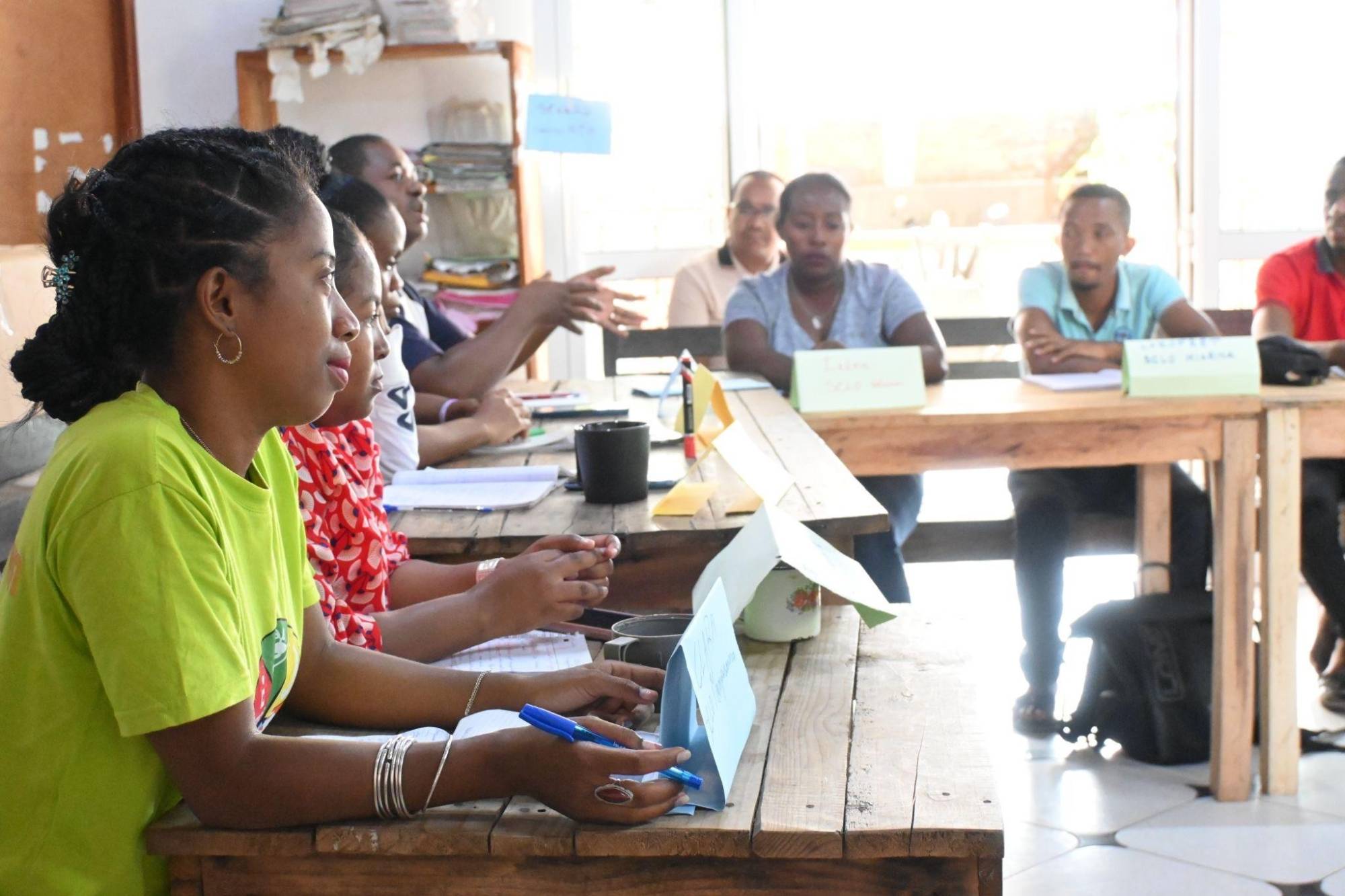
Project Mampisaina – Gender-based violence (GBV) seeks to strengthen SEED’s organisational culture by embedding gender and protection mainstreaming across all programmes, while simultaneously mapping the realities of GBV in the Anosy region and strengthening collaboration among partners working to address it.
GBV in Anosy, Madagascar, like in many regions, is driven by a combination of structural, cultural, and economic factors and compounding challenges.
Structural Inequality
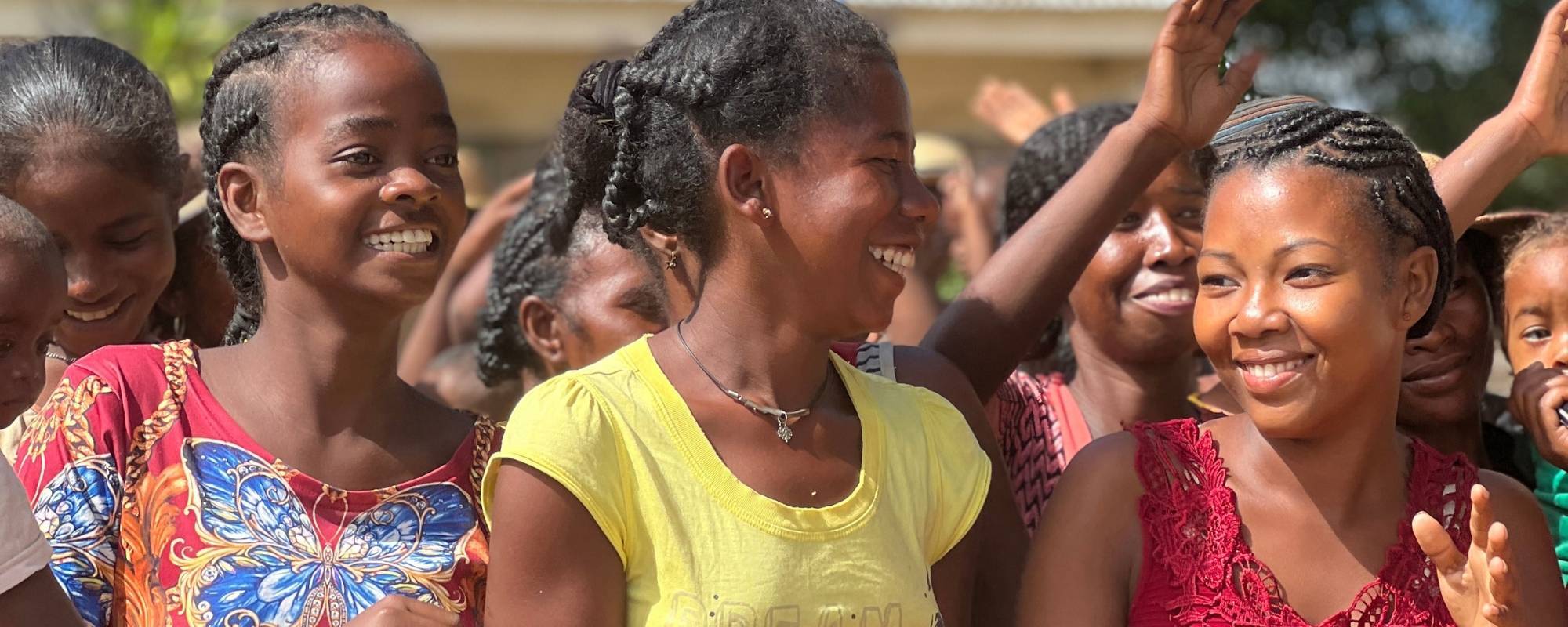
Women and girls in Madagascar face persistent barriers to education, healthcare, and economic participation. Only one-third of girls aged 11–17 attend secondary school, with early pregnancy and child marriage driving school dropout.
Early Marriage & Violence
Nearly 39% of women aged 20–24 were married before age 18. Early unions are strongly linked to limited autonomy, economic dependence, and heightened exposure to intimate partner violence and marital rape.
Hidden Violence
Gender norms and economic insecurity normalize silence around violence. Marital rape, intimate partner violence, and early marriage are often perceived as private or culturally acceptable issues rather than violations of rights.
Survivors of GBV face intersecting barriers to accessing health, psychosocial, and legal services, including long distances to facilities, high cost of transport and care, distrust of formal systems, and fear of community backlash.
In the Fort-Dauphin area, formal survivor support systems exist but remain largely unknown and geographically uneven. Urban services are often inaccessible to rural populations due to cost, stigma, and lack of coordination. For SEED to work effectively across all our programmes—whether in education, health, livelihoods, or conservation—we must first ensure our organisational systems, staff knowledge, and community partnerships are grounded in gender-transformative principles and do-no-harm practice.
To address these internal and external gaps in a structured and sustainable way, SEED has designed a two-phase response that strengthens both our organisational foundations and the wider protection ecosystem in which we operate.
SEED’s Response
- Phase I transforms SEED's organisational culture by embedding gender and protection mainstreaming across all our programmes through training and knowledge consolidation.
- Phase II simultaneously maps the external GBV landscape and builds regional coordination systems.
Together, these phases ensure that every SEED initiative, whether SRHR education, school construction, conservation work, or livelihood programmes, is delivered safely, ethically, and with gender equality at its core.