Let It Grow: Planting Hope in Tsagnoriha
In the rural village of Tsagnoriha, southeast Madagascar, climate shocks have become part of daily life. Droughts leading to dry fields, and unreliable harvests have strained livelihoods and deepened food insecurity for families who depend entirely on the land.
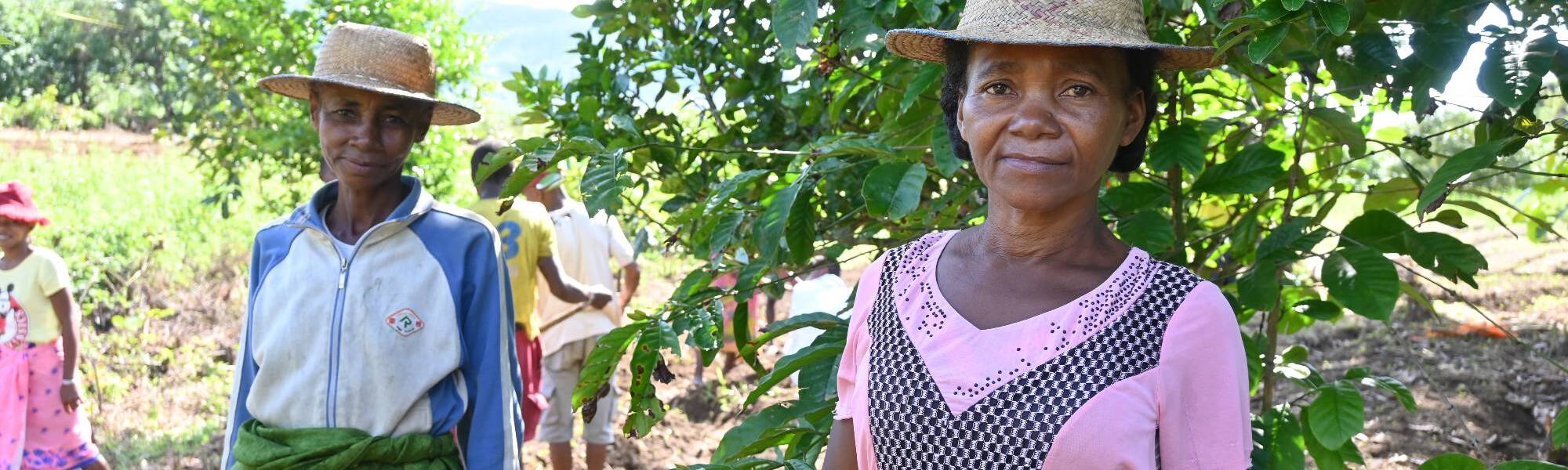
Amid these challenges, SEED’s agroforestry project at Tsagnoriha Primary School is offering a new path forward. Led by local planting leads, Caroline and Nahita, and supported by the wider community, the project is teaching sustainable farming, improving nutrition, and giving families hope for the future.
SEED’s 2025 Christmas Appeal — ‘Let it Grow, Let it Grow, Let it Grow’ — will support the growth of this project to two additional sites and the expansion of one existing site, providing 53,000 nutritious vegetable portions a year for students, improving nutrition knowledge, and supporting over 10,000 people in building a climate resilient tomorrow.
From Childhood Gardens to Community Leadership
Caroline grew up in Tsagnoriha and has been planting vegetables since she was in school. She told us that the produce she grew back then didn’t provide enough for a livelihood. Now, as a community planting lead, Caroline is motivated by the potential to help others: "I’ve learned new things like cooking education and different planting techniques, including new methods that I’d never done before. The community has seen how useful this is and wants to do the same.”
Nahita, a planting lead alongside Caroline, also brings her lifelong experience of growing crops to the project. She has shared how the project has supported not only her and her family but the entire community: “We’ve seen progress in planting and more variety in food. It means growth and better health for us because we’ll have more nutritious food to prepare.”
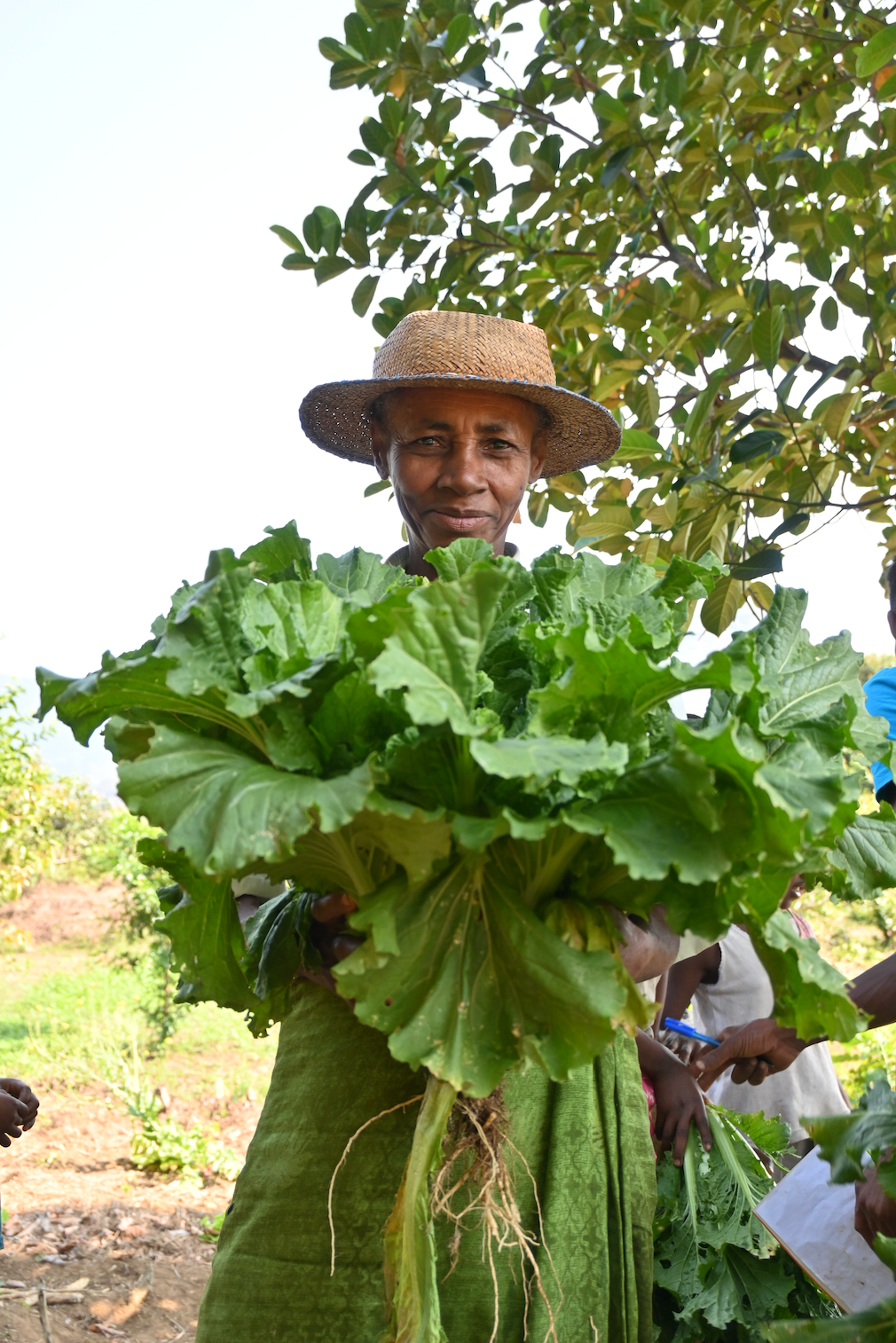
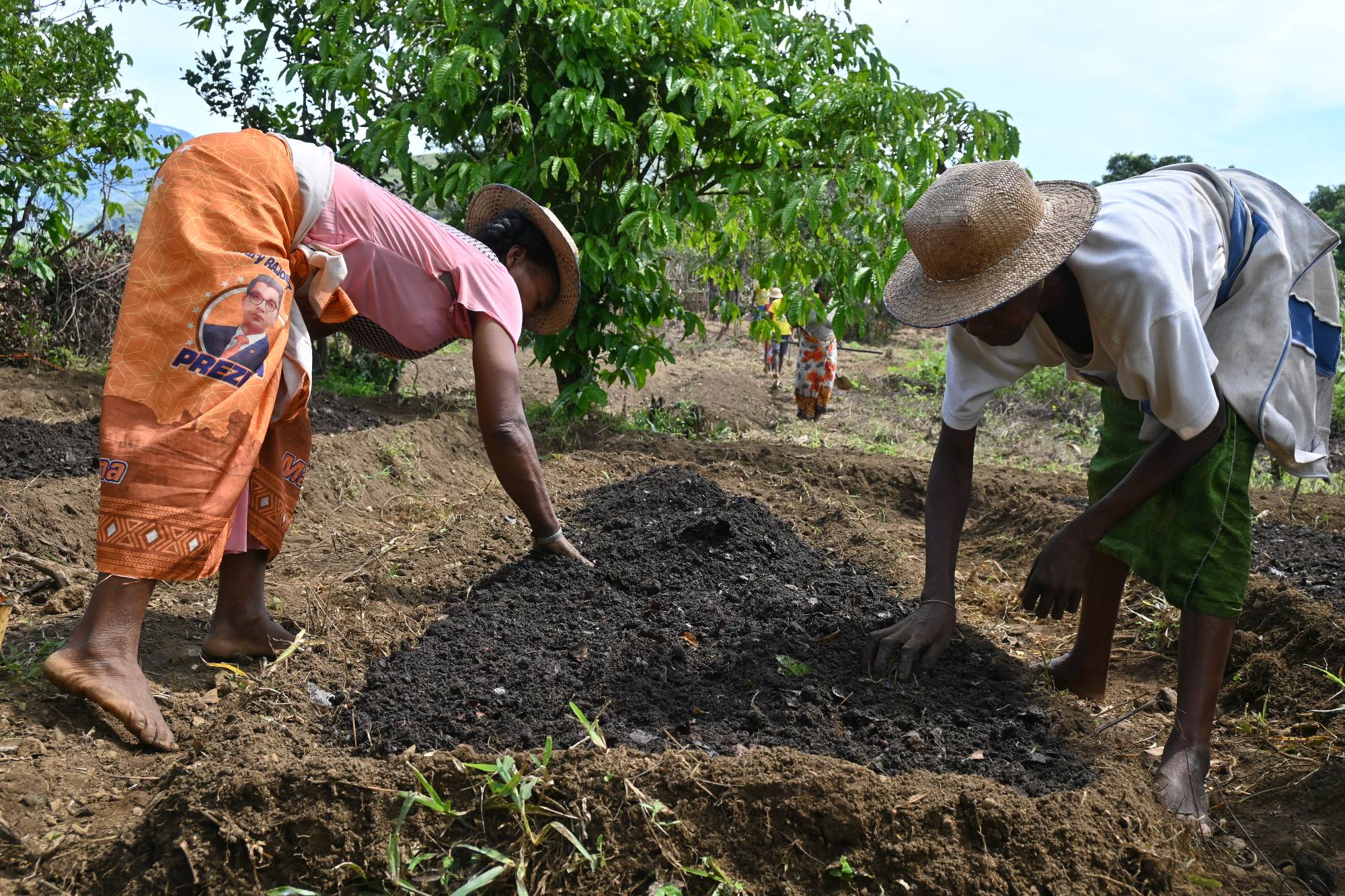
The project is teaching new planting methods, providing communities with the tools to withstand the more frequent and unpredictable climate shocks facing the southeast. Nahita explained how the project has changed her approach: “I’ve gained new planting skills I’d never practiced before.” She also highlights the engagement of the wider community: “people say it’s good that our land can produce crops again. When they see us working here, they’re encouraged and want to do the same.”
Both Caroline and Nahita grow crops at home, but as planting leads they now have the opportunity to support others — helping improve harvests and strengthen food security throughout the community.
Daily Challenges and the Pressure of Climate Change
Before the project, many households struggled simply to meet daily needs, with climate shocks directly impacting food security and livelihoods. Families have repeatedly seen crops fail, soils erode, and food stores diminish.
Nahita describes the stark effects of climate change: “There’s famine across the community, not just for one family but for everyone. The climate has changed a lot — there are no forests left, the fields are dry, and strong winds make it worse. When people are hungry, their spirit weakens — that’s how serious it has become.”
It is within this fragile landscape that the agroforestry project is providing practical support to communities in the rural southeast to combat these challenges with sustainable long term solutions.
Hope for the Community
For Caroline and Nahita, the project represents far more than planting vegetables — it has become a source of health, resilience, and pride for the entire community. Nahita speaks on these wider benefits, noting that the diverse crops now growing at the site are already providing “better health for the community.” She sees how the project is encouraging everyone to participate — parents and children alike — each learning new techniques and carrying them home, widening the impact well beyond the school grounds.
She also shares a message for supporters around the world:
"Thanks to the donors for this project. I encourage you to support us. The farming here is getting better, which gives us courage, and we believe our crops will continue to grow.."
Support Us This Christmas
By supporting SEED Madagascar’s 2025 Christmas Appeal, you can help extend this work to more communities, giving families the skills and confidence to grow food, improve nutrition, and build resilience from the ground up.
This year, SEED is celebrating its 25th birthday and aims to raise an enormous £100,000 to grow projects like this across Madagascar’s southeast. To read and support the Christmas Appeal: ‘Let it Grow, Let it Grow, Let it Grow’, click here.