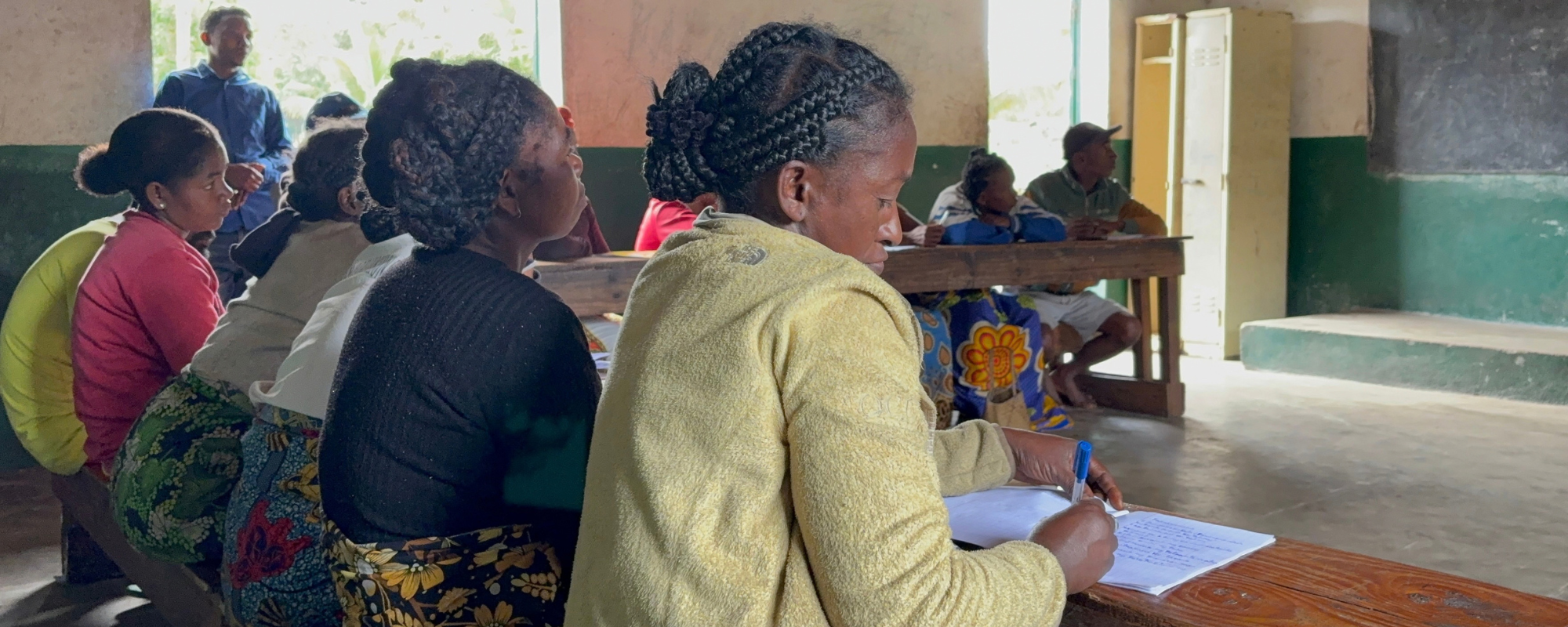
Bouncing Back: Building Financial Security in Rural Madagascar
Think of the last time you were faced with an unexpected expense. Your phone screen protector cracked, and you needed to buy a new one; you sprained your ankle, and needed to go to the doctor; you were running late and had to take a taxi instead of the bus. In each case, you likely had money put aside, or savings, to cover these unexpected expenses, no matter how small.
Savings in Rural Madagascar
For the households in Anosy, in southeastern Madagascar, having money set aside for unexpected expenses is not always possible. Madagascar faces significant development challenges, ranking 183rd out of 193 in the Human Development Index, and Anosy is one of the poorest regions in Madagascar.
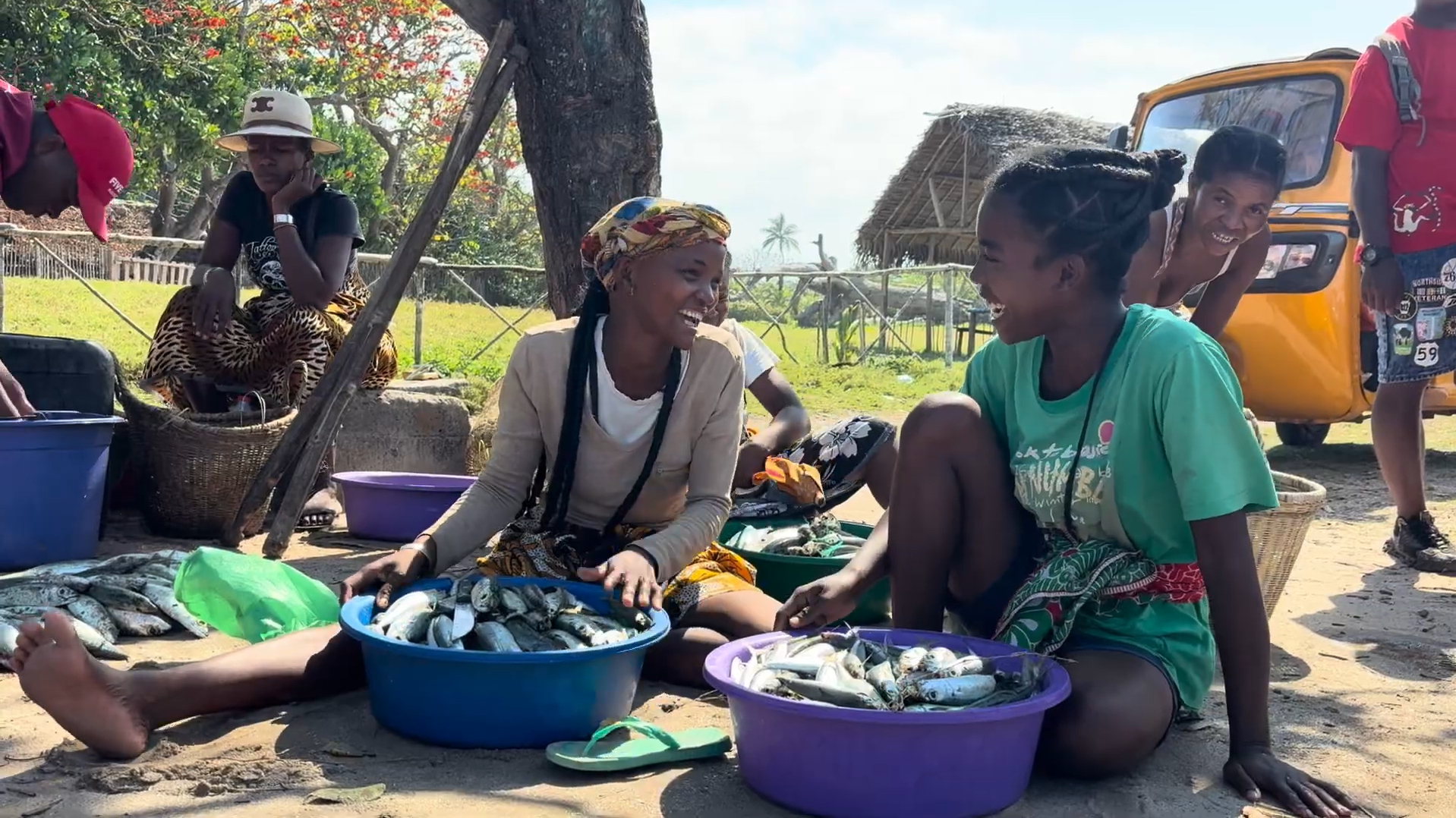
Two fisherwomen chatting on the beach in Manafiafy, southeast Madagascar.
Many families here rely on a combination of livelihoods, including fishing, farming, raising livestock, and selling goods. These sources of income can be vulnerable to seasonal changes and climate shocks, with earnings fluctuating depending on weather conditions, harvests, and periods when activities such as fishing are restricted. During the lean season, when food stocks may run low before the next harvest, or when earnings are lower than usual, households may need to borrow money to cover essentials. This can lead to a cycle of debt, making it more difficult to cover basic needs like food, healthcare, and school fees, let alone save for the future.
Project Miarina
When income is unpredictable, having savings to fall back on can make a real difference. Since September 2025, SEED Madagascar’s Project Miarina, meaning “to bounce back” in Malagasy, has worked with over 197 households across 9 communities in rural Anosy to build saving habits, strengthen financial resilience, and prepare for unexpected expenses through three main activities:
-
Financial literacy workshops: Helping households build their knowledge of saving, spending, and financial decision-making.
-
Establishing introductory savings groups: Supporting households to develop saving habits and lay the foundations for long-term financial resilience.
-
Facilitating the creation of independent, self-managed community savings groups: Enabling members to access low-interest loans from their collective savings when faced with unexpected expenses.
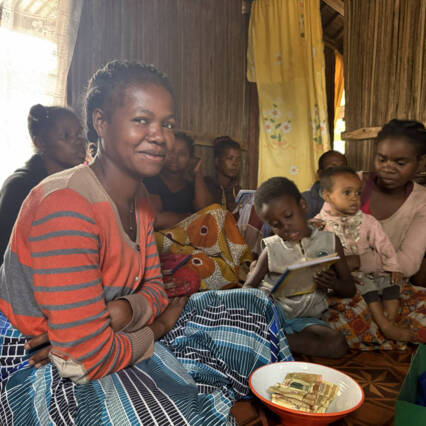
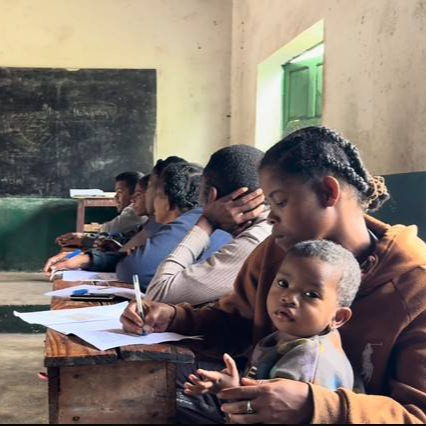
Sylvanah placing money into the community savings group’s cash box, alongside a mother taking notes during a financial literacy workshop led by SCLO Lazofret, with her baby watching beside her.
In a country where 81% of the population lives on less than £1.63 a day, the 36 households in Miarina's independent, self-managed savings groups have collectively saved over £1,260. The median household has been saving around £5.50 each month, which is about 11% of income for a breadwinner earning £1.63 a day, and in rural Anosy many earn even less. To match that rate, the median UK household earning £39,200 per year would need to save around £360 a month, double the £180 per month that the median UK household actually saves.
Miarina: Beyond the Numbers
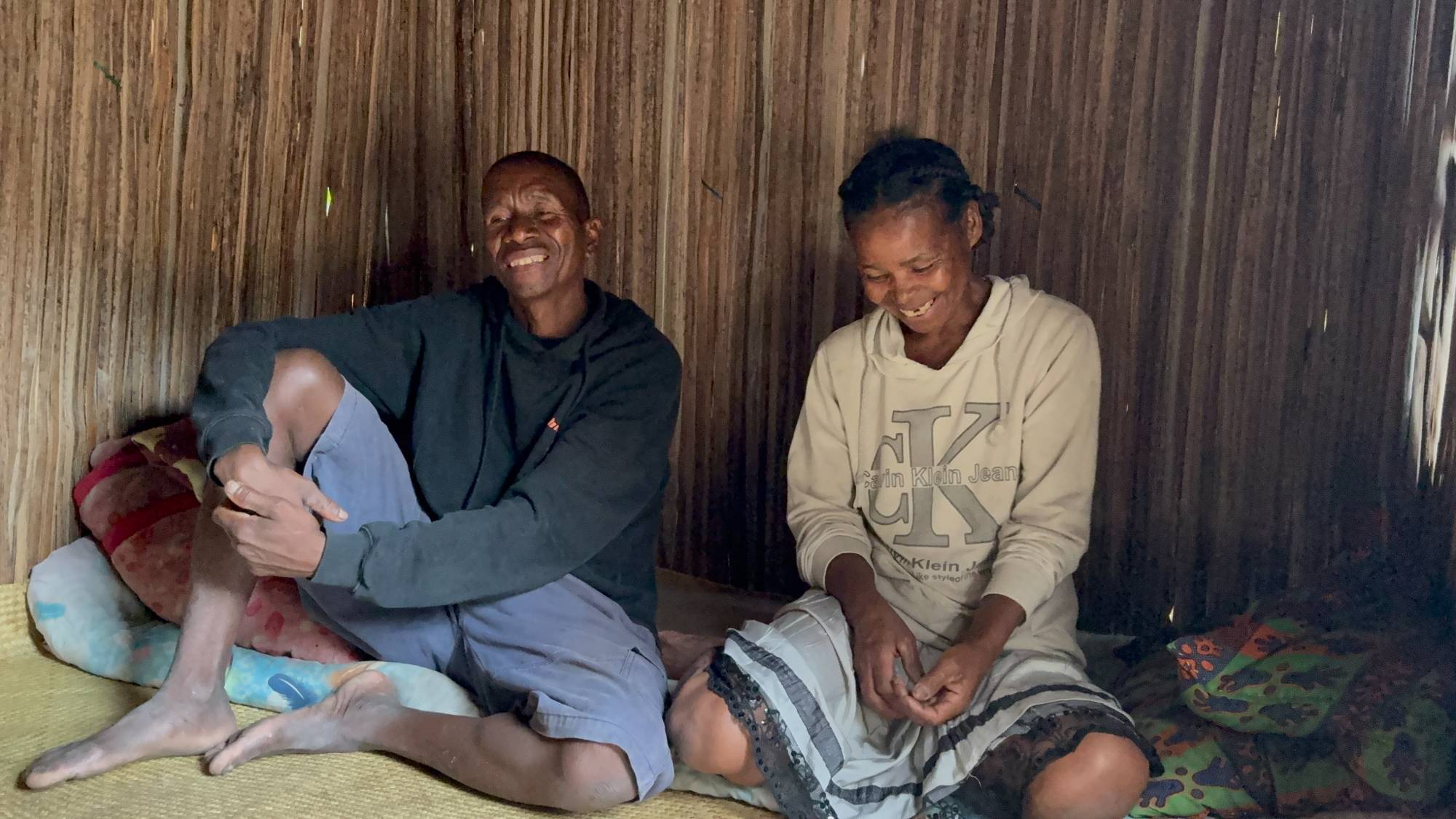
Patricia and Geortin at home in Manafiafy, southeast Madagascar.
Patricia and Geortin are a couple from the community of Manafiafy. Like many families in the area, their primary source of income is lobster fishing. An annual lobster fishing ban runs from January to March to protect lobster stocks, leaving many local households with reduced earnings during this period. In the past, this often meant taking on debt to cover everyday expenses.
This past year, for the first time, Patricia and Geortin made it through the January to March period without going into debt. “If you can get through that period without going into debt,” Geortin said, “you won’t have much debt afterward.”
Through Miarina’s financial literacy workshops, they learned to think about spending differently. “Rice is a need because we can’t survive without it,” Geortin explained, “while alcohol is a want because it is something we enjoy.”
They began setting aside 10% of their income in their savings group, which is timed to pay out just before the fishing ban begins. This marked a significant change from their previous habits. As Geortin explained, “Whenever we earned money, we would spend it all that same day, and then we would have to borrow money afterward.”
Patricia agreed: “One of the main benefits we gained from the training was changing our mindset. Before, when we didn’t save, we often struggled financially. But thanks to the training, we now understand the importance of saving.”
Their savings are now helping them work towards their longer-term goals, too. They were able to buy their own pirogue, a traditional wooden canoe used for fishing by communities here. For Patricia and Geortin, saving is no longer just about managing the fishing ban, but also about building towards a more secure future.
Increasing Financial Resilience in Rural Anosy
Project Miarina now supports three self-managed community savings groups and six introductory savings groups. Another 58 households are completing their financial literacy workshops, and many have already expressed interest in starting introductory savings groups of their own. The team is also reaching out to new communities across Anosy.
This World Savings Day, Patricia and Geortin’s story is a reminder that saving is about more than money put aside. It’s about getting through the hardest months without falling into debt, and having room to plan for what comes next. As Project Miarina grows across Anosy, more families will have the chance to do the same.