Project Mampisaina – Sexual and Reproductive Health and Rights
Project Mampisaina – SRHR seeks to improve the sexual and reproductive health and rights (SRHR) of young people at the critical age of sexual debut and into adulthood, with particular emphasis on preventing HIV/AIDS and other sexually transmitted infections (STIs).
Madagascar is currently confronting a threefold challenge:
A Growing Crisis
HIV cases in Madagascar increased by 230% between 2010–2023, with 76,000 people now living with HIV. Young people lack access to accurate, life-saving information.
Education Barriers
The Ministry of Education mandated abstinence-only education and prohibited discussions of contraceptives in schools, leaving students without comprehensive knowledge to make informed decisions.
Early Pregnancy Epidemic
47% of girls in the Anosy region become pregnant before age 18, risking severe maternal complications like eclampsia and systemic infections.
(UNAIDS, 2023 and The World Bank, 2023)
Young women also noted that SRHR services were not always youth-friendly, with limited availability of STI screening and a lack of tailored support.
Findings from Community Needs Assessment, 2024
SEED’s Response
Project Mampisaina is built on a comprehensive, community-centered approach that recognises SRHR is not a standalone issue; it's intertwined with education, healthcare access, cultural context, and young people's own agency. We combine direct education with systemic strengthening to create lasting change.
Impact
Comprehensive SRHR Education
Over seven months, SEED will deliver culturally sensitive, age-appropriate sessions on STIs, HIV, family planning, consent, and menstrual hygiene to 1,000+ middle and high school students across four schools in Soanierana and Manambaro. Each session is tailored to students' developmental stages and designed to foster informed decision-making and health-seeking behaviours.
Menstrual Health Empowerment
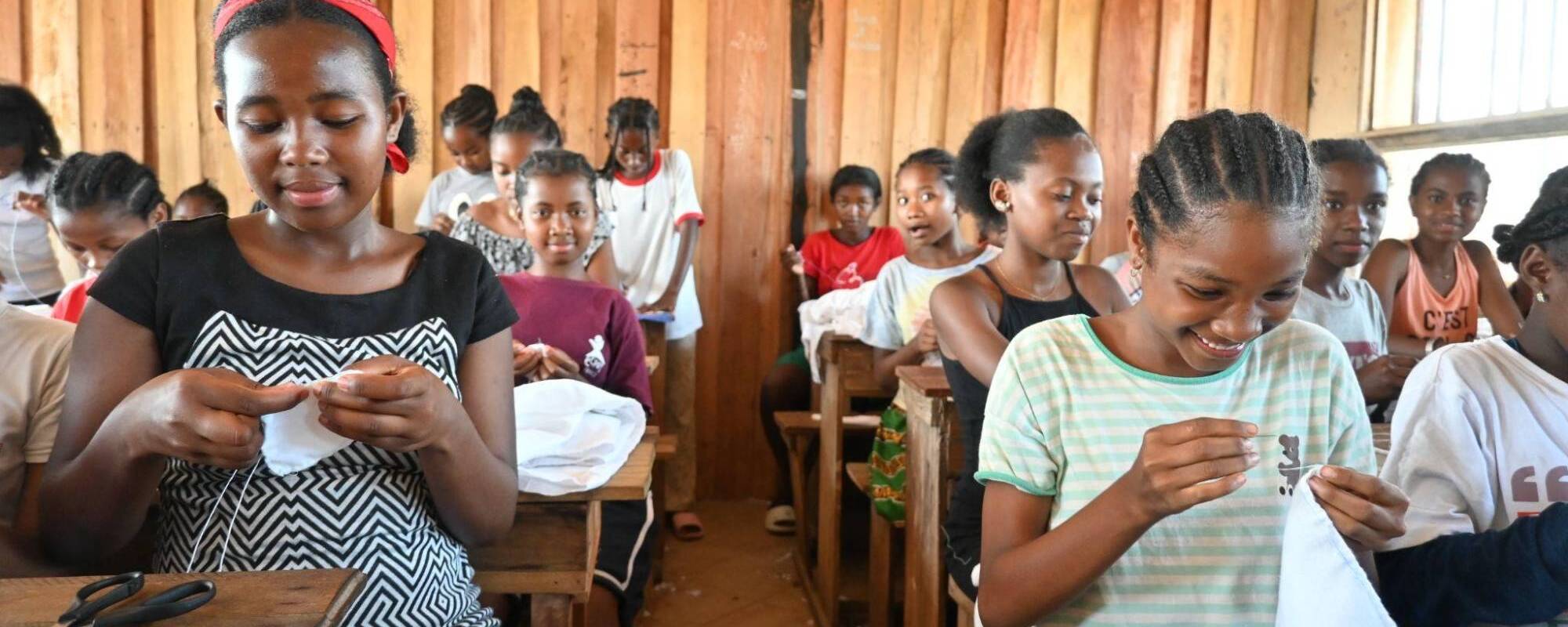
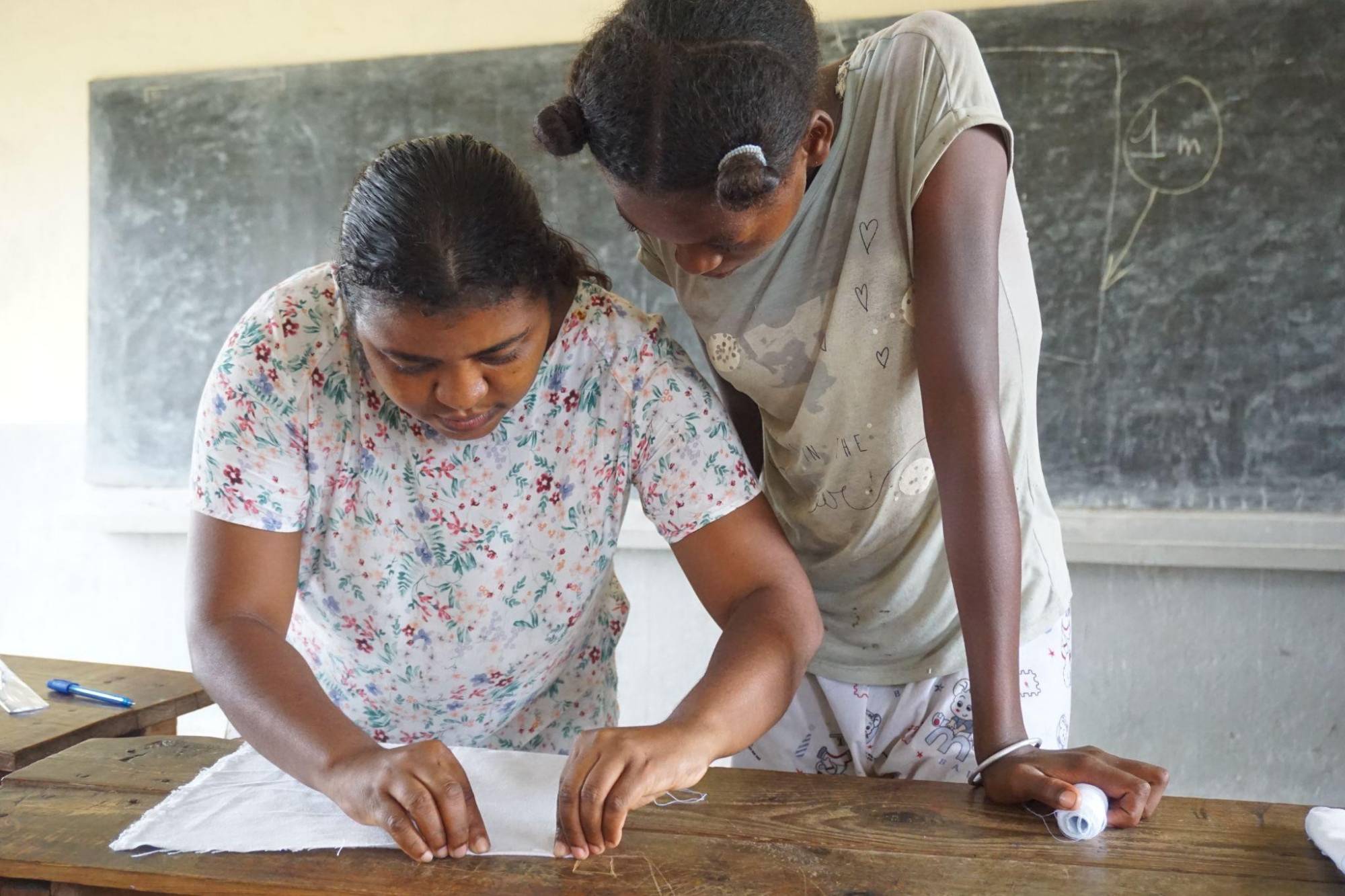
Menstrual health is both a practical health issue and a powerful entry point for SRHR education. SEED will facilitate four interactive pad-making sessions with 760 young people, teaching them to create reusable, sustainable menstrual pads using locally sourced materials. Participants receive take-home toolkits and ongoing feedback sessions to address challenges. By normalising conversations around menstrual health and providing practical solutions, girls learn how to manage their periods with confidence and continue attending school without interruption.
Teacher & Community Partnership
Teachers are trusted figures in students' lives, which is why they're central to our work. SEED will train 50+ teachers in SRHR topics and safeguarding, enabling them to reinforce learning and respond to students' questions with accurate information long after our sessions end.
The training won’t add to teachers' workload as we deliver the sessions ourselves, while they support and supervise. We also engage community leaders and village chiefs, framing SRHR education in culturally appropriate ways that build community understanding, acceptance, and support rather than resistance.
Healthcare System Integration
Building upon this foundation, SEED will ensure that young people know where and how to access services. SEED will facilitate direct visits from local Community Health Centers (CSBs) to schools, where healthcare staff provide detailed information about available SRHR services, STI testing, HIV prevention, and treatment options. This builds trust between young people and healthcare providers, breaks down stigma, and creates visible pathways to care. SEED will also maintain ongoing communication with CSB staff to identify and address barriers that prevent young people from accessing services.
Out-of-School Youth Inclusion
Reaching those who don’t have access to education is equally important. SEED will deliver community-based menstrual hygiene management sessions to 160 out-of-school youth, ensuring this often-overlooked group has access to accurate, age-appropriate information.
Leveraging SEED's 20+ years of community relationships, participants will be recruited from the areas surrounding schools, in close coordination with local leaders. Each session will combine comprehensive SRHR education and practical menstrual pad-making, creating an accessible and engaging space for learning and discussion, incentivizing participation among youth who may have limited access to formal education.
Why This Multi-Layered Approach?
At SEED, we recognise that sustainable change requires working at multiple levels through strengthening individual knowledge, building teacher capacity, integrating healthcare systems, engaging communities, and amplifying young people's own agency. By working within SEED's established relationships across the Anosy region , we ensure cultural relevance and deep community buy-in. This holistic strategy means that when Project Mampisaina ends in May 2026, the foundations for continued SRHR support will remain strong.
Impact
- Our previous Ready for Rights pilot reached 1,900 people. Over 83% reported feeling comfortable saying no to unwanted contact – a 49.9% increase from baseline
- 95.1% of girls who participated in pad-making felt comfortable using reusable pads at school, reducing stigma and enabling fuller participation in education
- Directly contributing to UN Sustainable Development Goals 3 (Health), 4 (Education), and 5 (Gender Equality) – creating systemic, lasting change
- Built on two decades of SEED’s established relationships in the Anosy region, ensuring cultural relevance and deep community engagement
Project Mampisaina builds on the proven impact of our previous SRHR initiatives:
Project Ready for Rights (2021–2022)
Donors
Project Mampisaina has been made possible thanks to generous funding from the Silver Lady Fund and private individuals.
