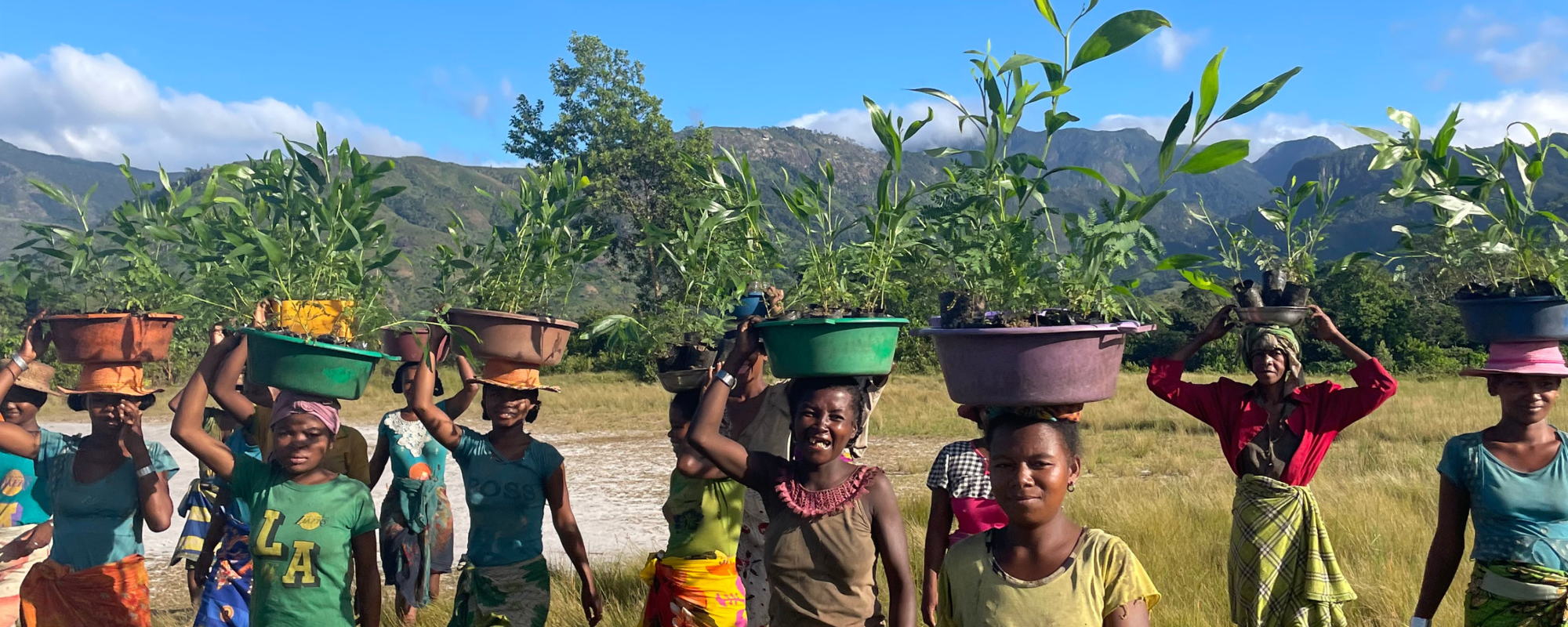
When Climate Change Fuels Violence Against Women in Southern Madagascar
Across the world, women and girls are bearing the brunt of climate change. Whilst the link between climate change and gender-based violence (GBV) is gaining global attention, southern Madagascar’s distinctive social norms and landscapes make addressing GBV a unique challenge. In this article, staff at SEED Madagascar, Paula Amour and Espérante Razafisambatra, offer some first-hand insights from their experience working on the ground in Anosy.
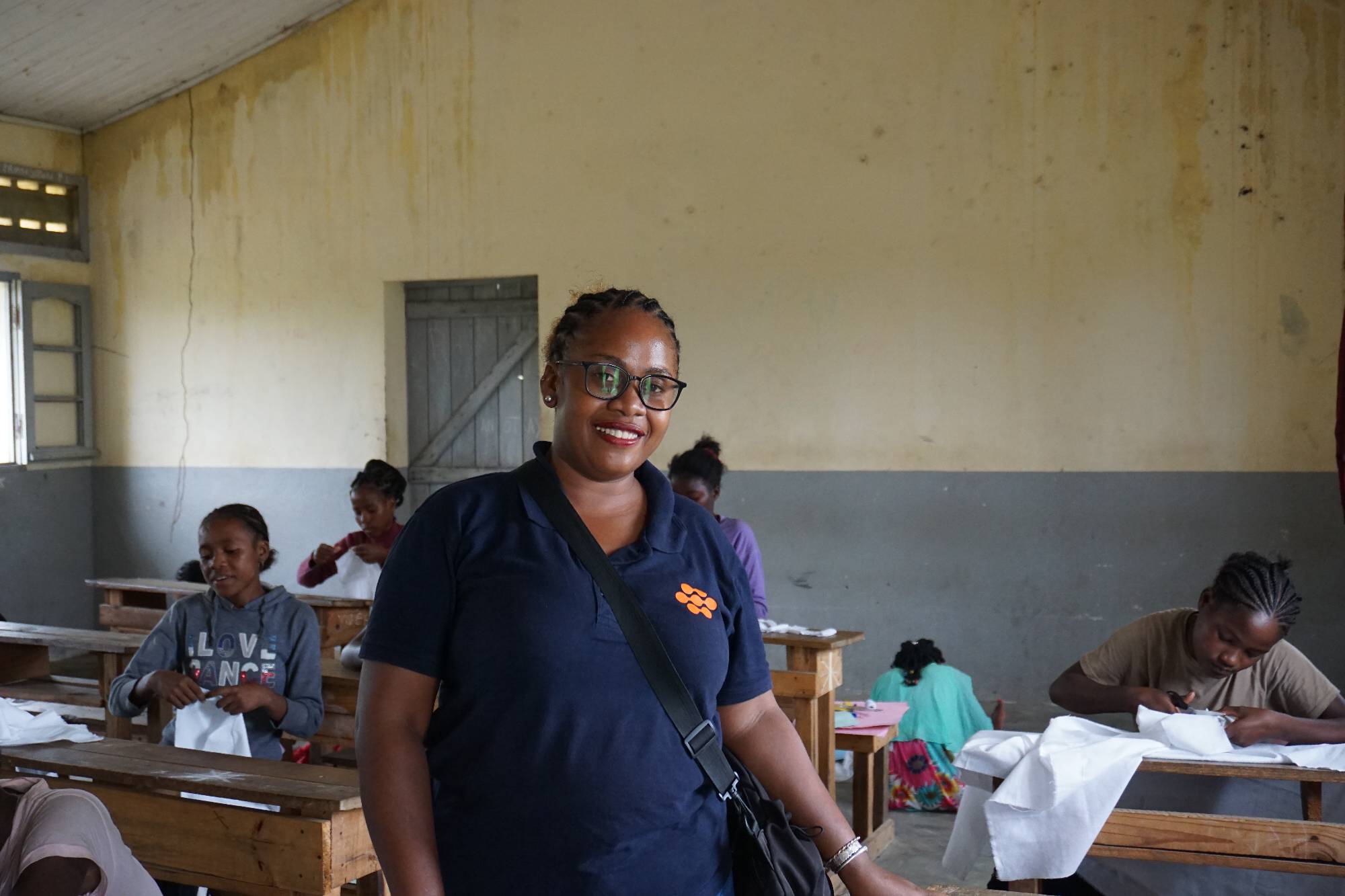
Paula has spent 14 years working with women in Sainte Luce, southern Madagascar, on rural livelihood projects and has extensive experience supporting women facing GBV. Espérante previously worked on projects to reduce neonatal, infant, and maternal mortality, and now leads on GBV prevention and sexual and reproductive health and rights (SRHR) at SEED.
Espérante explains how social norms in southeast Madagascar severely restrict women’s rights and access to legal, medical, and social support. While men often have greater control over assets and agricultural production that contribute to household income, women may face barriers to participating equally in household and community decision-making, Espérante says. These challenges can affect many areas of life, including education, livelihoods, and marriage. Espérante has encountered married women with little freedom, needing permission to leave the house and being confined to strictly domestic roles. Those facing intersecting vulnerabilities, including women who are disabled, elderly, or part of the LGBTQ+ community, face even greater risk and less support.
The Impact of Climate Change on Women
Between 2019 and 2022, southern Madagascar - including the region where SEED operates, Anosy - experienced one of the worst droughts in over 40 years. The crisis led to widespread crop failures and rising food prices. Traditional livelihoods became increasingly insecure and no longer sufficient to feed the population.
Recent reports by UN Women show how climate shocks such as severe droughts leave women facing increased economic strain and responsibility, often managing both care and livelihoods with limited support. When men are forced to migrate for work, the amount they are able to send home is often insufficient for their families. Women are left to cope alone, a situation that can heighten their vulnerability to violence.
Such financial strain increases the risk of harmful coping strategies. In some cases, women are forced to beg or borrow to survive, explains Espérante. Poverty, forced displacement, and family migration often leave women with little choice but to resort to harmful coping strategies, including sexual exploitation, survival sex and child and forced marriage. In Madagascar, child and forced marriage is common, with 2 in 5 girls marrying before the age of 18.
Why current systems are not working
Paula explains that, as a witness, she feels powerless. She has seen GBV occur in broad daylight, only to be told it is “none of her concern”. Reporting to the head of the Fokontany (“village” in Malagasy) is possible, but mediation takes priority over justice and, in Paula’s experience, survivors who do not come forward are often assumed to accept the abuse. “It’s so hard”, she says, “because you don’t know what to do, and there’s not much you can do.”
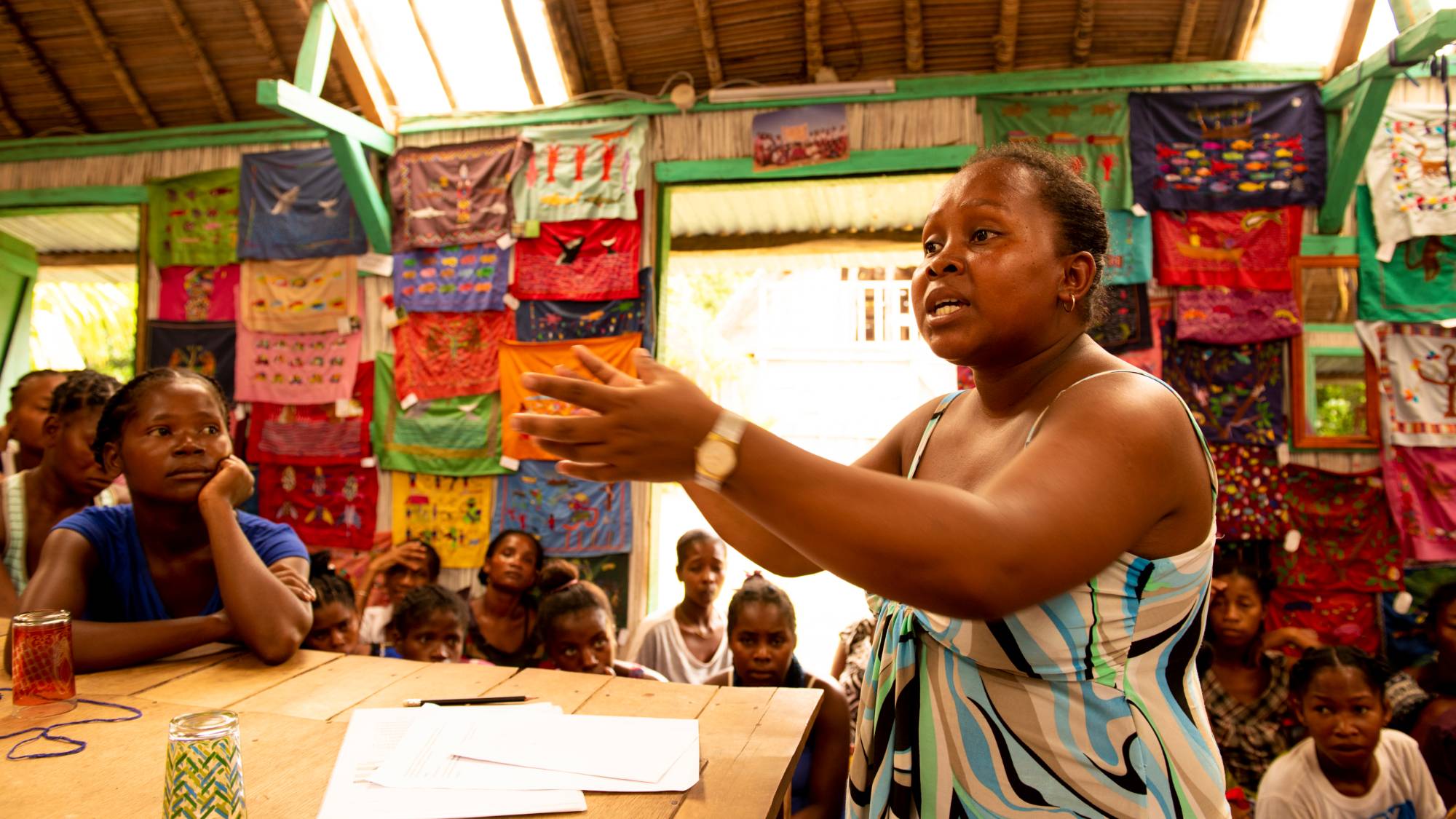
Shame and stigma discourage reporting, especially for sexual violence. Espérante notes that victims are often blamed for how they dress or behave, and abuse within marriage is seen as a private matter. Reporting can also lead to social exclusion, as “many believe that a husband has rights over his wife’s body”, Espérante says. Poverty makes leaving an abusive relationship even more difficult, she says, as survivors may depend on their partner for financial security and support.
Legislation has markedly strengthened support for victims of GBV in recent years, namely the implementation of Law no.2019-008, which penalises forms of GBV including physical, psychological, sexual and economic abuse. Decree no.2022-1219 reinforces this legislation through the establishment of rules for prevention, protection and the care of victims. However, implementation remains limited. As Paula says, “laws on GBV exist, but in rural communities, people don’t care. Tradition is more important.”
What needs to change
“Awareness is the key. Without it, people cannot recognise violence”, Espérante emphasises. Ensuring that communities have access to information about GBV, know where to seek help, and feel safe reporting it is therefore essential. The town of Fort Dauphin has seen progress; reporting pathways are much stronger and more commonly seen as a viable option. This gives her hope.
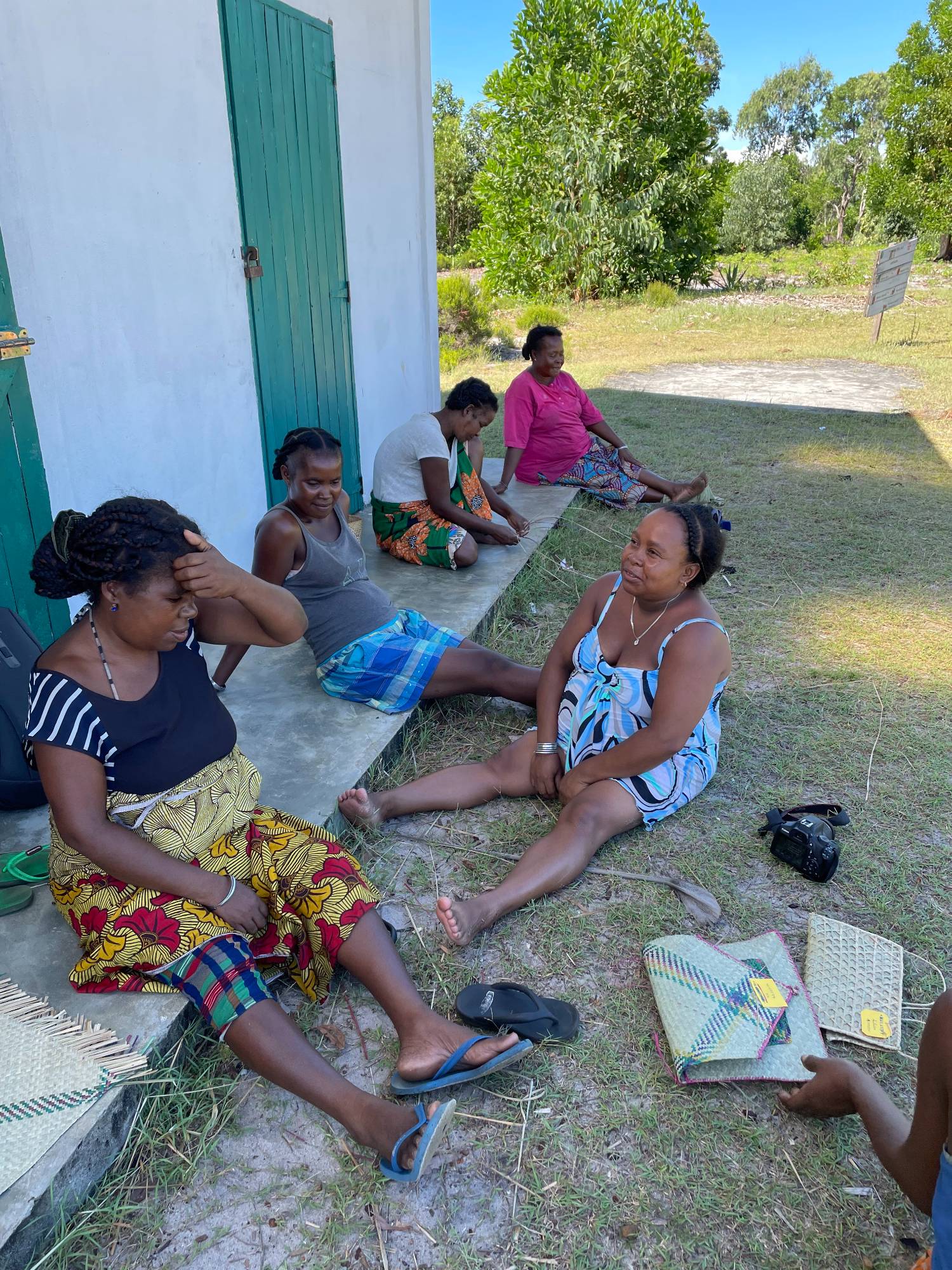
Women also lean on each other. Paula describes how, in mahampy weaving workshops, she has seen survivors share advice and coping strategies. These informal networks are an invaluable and understated means of increasing awareness and reducing stigma.
How SEED addresses GBV
SEED’s new Project Mampisaina is tackling GBV by strengthening prevention and response across the Anosy region. Through research, mapping, and partnerships with local organisations, the project will improve understanding of GBV, strengthening coordination and support networks.
Alongside this, SEED will strengthen its internal approach through staff training on gender and protection and by embedding safeguarding and gender equality across its programmes. Together, these efforts will help ensure vulnerable groups are better protected and that staff can effectively identify, prevent, and respond to GBV.
Climate action and tackling GBV go hand in hand. As climate impacts worsen, so do the risks faced by women and girls in Madagascar. Poverty, food insecurity, and violence are closely linked and the experiences of Paula and Espérante highlight how these challenges intersect in people’s everyday lives. Real change requires improving support systems, strengthening coordination, and ensuring survivors’ safety and dignity come first.
To help support Project Mampisaina and SEED Madagascar’s work across southeast Madagascar, including efforts to prevent and respond to gender-based violence, please consider donating here.