A Culture of Care: Breastfeeding in Southeast Madagascar
This World Breastfeeding Week, SEED Madagascar is celebrating the mothers, families, and communities in southeast Madagascar who help give children the strongest possible start in life.
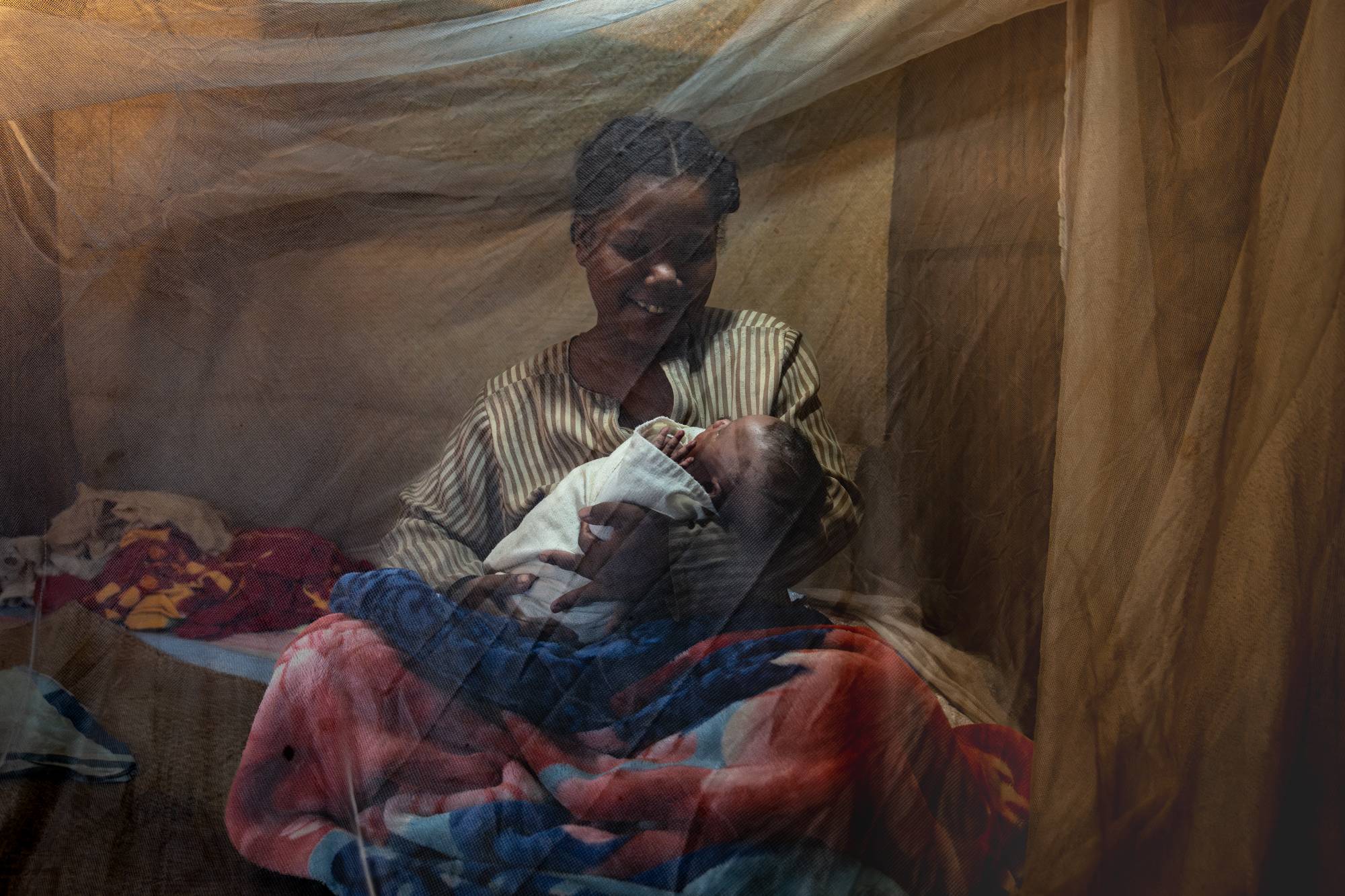
Pictured above, one-month-old Mélanie sleeps peacefully in her mother’s arms in Mahatalaky Commune, Anosy. Like many babies across southeast Madagascar, her earliest days are shaped by a network of care that extends beyond her mother, with relatives and community members sharing knowledge, encouragement, and practical support.
Here, breastfeeding is much more than a way of nourishing a child. It is part of a wider culture of care, where families and communities play an important role in supporting mothers through pregnancy, birth, and the first months of a baby’s life.
While Madagascar has made important progress in improving healthcare for mothers and newborns over recent decades, many continue to face challenges. Around 445 women die for every 100,000 live births, while around 1 in 16 children do not survive to their fifth birthday. Strengthening maternal, newborn, and child health support remains essential, particularly in regions such as Anosy where families may face barriers to accessing healthcare services and reliable health information.
Why Breastfeeding Matters
The first moments after birth are a critical time for establishing healthy breastfeeding practices. Colostrum, the first milk produced after childbirth, is rich in nutrients and protective antibodies that help strengthen a newborn’s immune system and protect against infection, illness, and malnutrition (Gemeda et al., 2024) Often described as a baby’s “first vaccine” colostrum provides essential protection during the earliest days of life.
Exclusive breastfeeding during the first six months provides babies with the nutrients they need while helping protect them from illness. Breastmilk transfers protective antibodies from mother to baby and has been associated with reduced risks of infections and infant mortality. (UNICEF, 2024).
Breastfeeding also supports maternal health, including reducing risks of breast and ovarian cancers and supporting healthy birth spacing. The close physical contact involved in breastfeeding also strengthens the bond between mother and child through the release of oxytocin, a hormone linked to attachment and wellbeing (Modak et al., 2023).
Together, these benefits make breastfeeding an important part of improving maternal, newborn, and child health and advancing Sustainable Development Goal 3: ensuring healthy lives and promoting wellbeing for all ages (World Alliance for Breastfeeding, 2026a).
Breastfeeding in Southeast Madagascar
Across southeast Madagascar, breastfeeding is a common practice and an important part of early childcare. Mothers breastfeed openly, supported by family members who recognise its importance for both mother and child.
Traditions surrounding motherhood help create a supportive environment for new mothers. One such example here is mifana, a period of rest and recovery lasting between one and three months after childbirth. During this time, women may return to their parents’ home, where they are cared for by family members while they recover, bond with their newborn, and establish breastfeeding.
This tradition reflects the important role that families play in supporting mothers during the early months of a baby’s life. Relatives may help with household responsibilities, provide encouragement, and share knowledge passed down through generations.
While mifana provides valuable time for mothers to rest and receive care from relatives, it is also important that women and newborns remain connected to essential postnatal health services. In some cases, while practicing mifana, mothers may be away from their usual healthcare facilities during this period, which can make postnatal care and infant immunisations more difficult to access.
Some mothers also receive conflicting advice about recommended breastfeeding practices. One mother shared how:
Some people, often older women, tell us to wash the nipples after giving birth and dispose of the colostrum.
Such advice can influence whether colostrum is given to newborns, as it may sometimes be perceived as unclean. Mothers may also receive differing advice about when to introduce additional liquids and when complementary foods should begin.
Strengthening Breastfeeding Knowledge Through Project Votsira
Building on existing culture of care within communities, SEED Madagascar’s Project Votsira works to strengthen maternal, newborn, and child health knowledge among mothers, caregivers, and families across Anosy.
Using an Asset-Based Community Development (ABCD) approach, Votsira works alongside communities by building on existing strengths, family support networks, and trusted community health workers. Working in partnership with the Regional Ministry of Health, the project trains community health workers to deliver weekly maternal, newborn, and child health education sessions and household visits.
These sessions provide mothers, grandmothers, fathers, and other caregivers with practical information on key breastfeeding practices, including the importance of colostrum, beginning breastfeeding within the first hour after birth, exclusive breastfeeding for six months, and continuing breastfeeding alongside complementary foods until two years of age.
Beyond breastfeeding, Votsira sessions address a range of topics that support the health and wellbeing of mothers and children, including antenatal care, safe childbirth practices, nutrition for pregnant women and newborns, prevention of common childhood illnesses, childhood vaccinations, and syphilis and HIV prevention. By strengthening knowledge and confidence among caregivers, the project helps families recognise health concerns early and seek appropriate support when needed.
Rather than replacing existing traditions, Project Votsira reflects the theme of World Breastfeeding Week 2026 by strengthening what works. The project supports existing systems of care within communities by combining local knowledge with evidence-based health information.
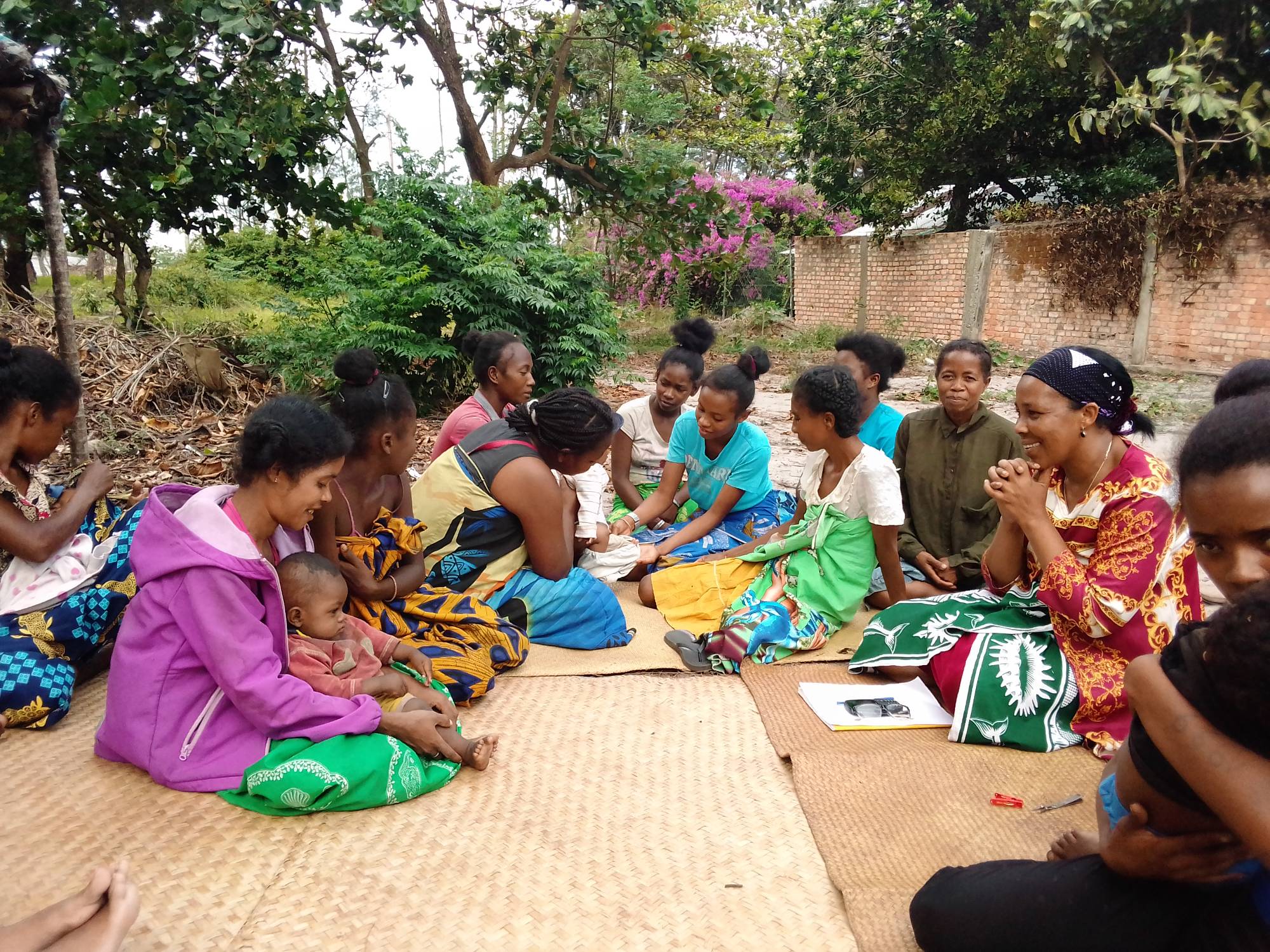
A group of mothers and caregivers take part in a Project Votsira education session in Lanirano.
The impact of this approach can be seen in the growing knowledge and confidence of families reached through the project. Since 2013, Votsira has reached more than 11,000 mothers, fathers, pregnant women, and grandmothers through over 4,000 education sessions and 39,000 household visits. Between 2024 and 2026:
-
100% of mothers and caregivers engaged through Project Votsira recognised that breastfeeding should begin within one hour of birth.
-
96% understood that complementary foods should be introduced at six months.
-
Knowledge of exclusive breastfeeding during the first six months increased from 63% before the programme to 88% afterwards.
For many mothers, the lessons learned through Votsira have influenced their own childcare practices. One participant shared:
Exclusive breastfeeding up to my child’s six months old, with no water added. That’s the lesson I learnt here, and it was useful to me.
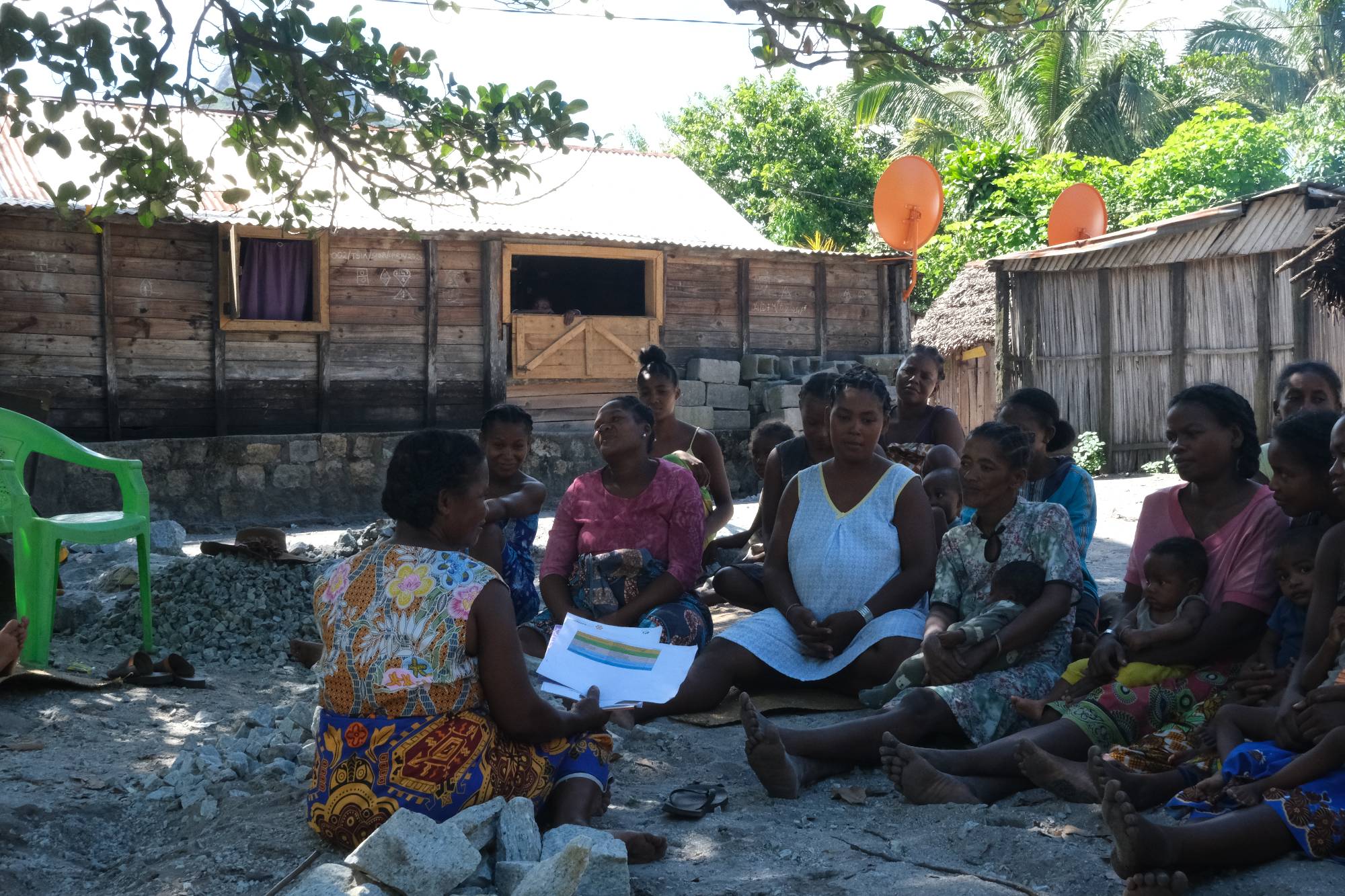
A Votsira education session with Mothers in Fort Dauphin.
A Culture of Care
This World Breastfeeding Week, the experiences of families in southeast Madagascar highlight the importance of recognising and strengthening the systems of care that already support mothers and children. By helping bridge gaps in access to reliable maternal and child health information, Project Votsira strengthens these existing systems of care, enabling mothers, caregivers, and communities to make informed decisions that support healthier futures.
Bibliography:
1 World Alliance for Breastfeeding Action (2026a). World Breastfeeding Week. Available at: https://waba.org.my/wbw/ (Last accessed: 23/06/2026).
2 Olsson, R. (2024). Colostrum Benefits: What It Does for Babies and Adults. Available at: https://www.bannerhealth.com/healthcareblog/teach-me/the-benefits-of-colostrum-for-babies-and-adults (Last accessed: 08/07/2026).
3 Gemeda, N.D., Mengistu, F., Chekole, F.A., Balcha, W.F., Adugna, K.F. and Belete, G.A. (2024). ‘Factors associated with colostrum feeding practice among mothers who attended child immunization clinic in Dire Dawa City, Eastern Ethiopia’, Pan African Medical Journal, 48. Available at: https://pmc.ncbi.nlm.nih.gov/articles/PMC11908624/ (Last accessed: 08/07/2026).
4 World Health Organisation (2023). Infant and Young Child Feeding. Available at: https://www.who.int/news-room/fact-sheets/detail/infant-and-young-child-feeding (Last accessed: 23/06/2026)
5 UNICEF (2024). For World Breastfeeding Week, UNICEF and WHO Call for Equal Access to Breastfeeding Support. Available at: https://www.unicef.org/madagascar/en/press-releases/world-breastfeeding-week-unicef-and-who-call-equal-access-breastfeeding-support (Last accessed: 23/06/2026).
6 Centers for Disease Control and Prevention (2024). Contraception, Appendix G: Lactational Amenorrhea Method. Available at: https://www.cdc.gov/contraception/hcp/usmec/lactational-amenorrhea-method.html (Last accessed: 23/06/2026).
7 Modak, A., Ronghe, V., and Gomase, K.P. (2023). ‘The Psychological Benefits of Breastfeeding: Fostering Maternal Well-Being and Child Development’, Cureus, 15(10). Available at: https://doi.org/10.7759/cureus.46730 (Last accessed: 23/06/2026).
8 World Alliance for Breastfeeding Action (2026b). Homepage. Available at: https://waba.org.my/ (Last accessed: 23/06/2026).